The history of Hagia Sophia is one of the most important stories in Istanbul. Built in the 6th century as a Byzantine church, later converted into an Ottoman mosque, used as a museum for decades and functioning as a mosque again today, Hagia Sophia reflects many layers of the city’s past in one landmark.
Located in Sultanahmet, Hagia Sophia is not only a religious monument but also one of the most famous historical buildings in the world. Its architecture, dome, mosaics, calligraphy and long timeline make the Hagia Sophia history important for visitors who want to understand both Byzantine and Ottoman Istanbul.

History of Hagia Sophia: A Short Overview
The history of Hagia Sophia begins long before the building standing today. The current Hagia Sophia was completed in 537 during the reign of Byzantine Emperor Justinian I, but it was not the first church built on this site. Earlier churches stood here before being damaged or destroyed.
For nearly 900 years, Hagia Sophia served as one of the most important churches of the Byzantine Empire and the center of Orthodox Christianity in Constantinople. After the Ottoman conquest of the city in 1453, Hagia Sophia was converted into a mosque and became one of the most symbolic religious buildings of Ottoman Istanbul.
In 1935, Hagia Sophia opened as a museum. In 2020, it started functioning as a mosque again. This long transformation from church to mosque, museum and mosque again is one of the main reasons why the history of Hagia Sophia continues to attract millions of visitors every year.
Hagia Sophia Timeline
The Hagia Sophia timeline helps visitors understand how the building changed over the centuries. Its history is not a single period but a sequence of Byzantine, Ottoman and modern Turkish chapters.
- 4th century: The first church was built on the site during the early Christian period of Constantinople.
- 5th century: A second church was constructed after the first one was damaged.
- 537: The current Hagia Sophia was completed under Emperor Justinian I.
- 1453: After the Ottoman conquest of Constantinople, Hagia Sophia was converted into a mosque. 1935: Hagia Sophia opened as a museum during the Republic period.
- 2020: Hagia Sophia started functioning as a mosque again.
This timeline shows why Hagia Sophia is one of the most layered historical monuments in Istanbul. Few buildings in the world carry Byzantine church history, Ottoman mosque heritage and modern museum history in the same place.
Amazing Historical Facts About Hagia Sophia
There are many amazing historical facts about Hagia Sophia, but the most important ones are connected to its age, construction, architecture and religious transformation. These facts help explain why Hagia Sophia remains one of the most visited landmarks in Istanbul.
The building has survived earthquakes, fires, political changes and religious transitions. Even after nearly 1,500 years, Hagia Sophia still stands in the heart of Sultanahmet as a symbol of Istanbul’s deep history.
Hagia Sophia Has Stood for Nearly 1,500 Years
One of the most impressive facts in the history of Hagia Sophia is its age. The current building was completed in 537, which means it has stood in Istanbul for nearly 1,500 years.
Many historical buildings in Istanbul belong to the Byzantine or Ottoman period, but Hagia Sophia is one of the most powerful examples of both. Its walls, columns, dome and interior decoration show how the city changed from Constantinople to Ottoman Istanbul and then to modern Istanbul.
For visitors, Hagia Sophia is not only an old building. It is a place where different periods of Istanbul history can be seen together.
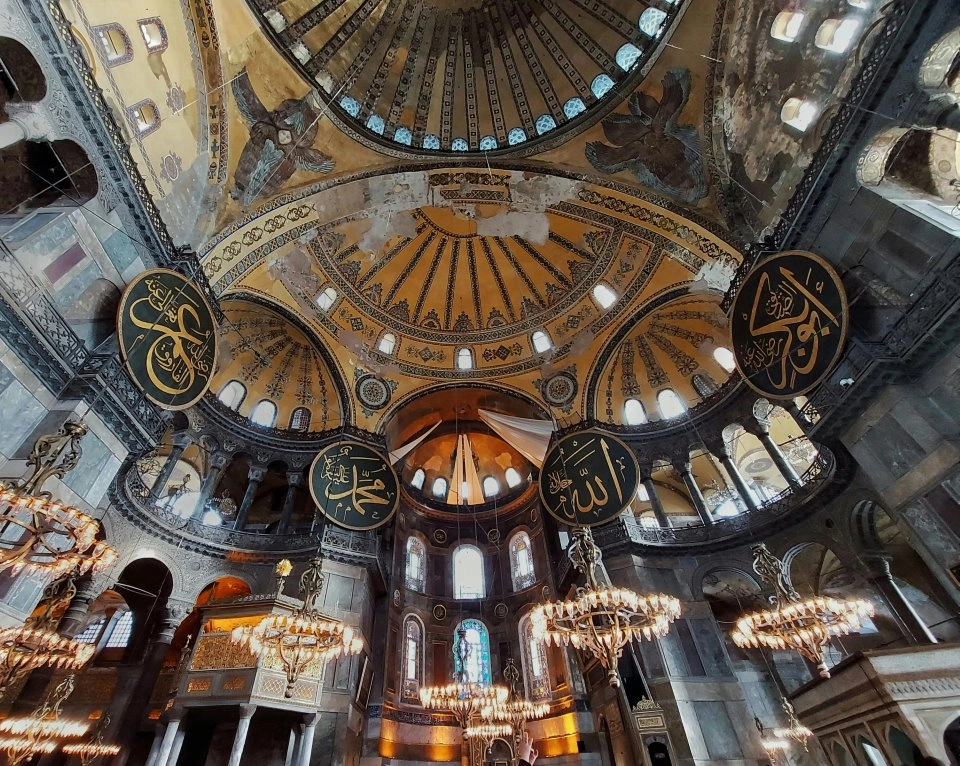
Hagia Sophia Was Built in Only Five Years
Another important fact about the history of Hagia Sophia is the speed of its construction. The current building was completed in about five years, which is remarkable for a monument of this size and complexity.
The construction of Hagia Sophia required thousands of workers, skilled architects and materials brought from different parts of the empire. Many stones and columns were reused from older structures, which helped speed up the building process.
Even with today’s technology, constructing a building with such a large dome, wide interior and complex structure would be a major challenge. This is why Hagia Sophia is still considered one of the greatest architectural achievements of the Byzantine period.
Istanbul E-pass has Hagia Sophia guided tour (outer visit) every day. Take advantage of getting information from a beforehand licensed professional guide with the Istanbul E-pass. Foreign visitors can visit the 2nd floor only and the entrance fee is 25 euros per person.
Today’s Hagia Sophia Is the Third Building on the Same Site
The Hagia Sophia visitors see today is actually the third major building constructed on the same site. The first Hagia Sophia was built in the 4th century, but it was later destroyed. A second church was built in the 5th century, but it was also damaged during unrest in the city.
The current Hagia Sophia was built in the 6th century under Emperor Justinian I. This third structure became the most famous and long-lasting version of Hagia Sophia.
Some remains from the earlier buildings can still be seen around the Hagia Sophia complex. These details help visitors understand that the history of Hagia Sophia goes beyond the building itself and includes earlier layers of Constantinople.
The Dome of Hagia Sophia Was an Architectural Wonder
The dome is one of the most important parts of Hagia Sophia’s history and architecture. In the 6th century, the size and design of the dome were extraordinary. It created a large open interior space that made the building feel different from earlier churches.
The dome of Hagia Sophia influenced later Byzantine and Ottoman architecture. Ottoman architects, including Mimar Sinan, studied the building closely and used lessons from Hagia Sophia in the design of major imperial mosques.
This is one reason why the history of Hagia Sophia is also important for understanding the history of mosque architecture in Istanbul. Its dome became a model, a challenge and a source of inspiration for centuries. Designed by Anthemius of Tralles and Isidore of Miletus, the dome created a vast open interior and later influenced many Ottoman imperial mosques in Istanbul.
Hagia Sophia Combines Byzantine and Ottoman Heritage
One of the most powerful parts of Hagia Sophia’s history is the way it combines Christian and Islamic heritage. Inside the building, visitors can see traces of its Byzantine church period and its Ottoman mosque period.
Christian mosaics, marble columns and Byzantine architectural details reflect the building’s early history. Ottoman additions such as minarets, calligraphy panels, mihrab and minbar show its later role as a mosque.
This combination makes Hagia Sophia one of the most unique historical landmarks in Istanbul. It is not only a monument of one period but a building where different cultures, religions and empires left visible marks.
Hagia Sophia Became a Mosque After the Ottoman Conquest
A major turning point in the history of Hagia Sophia came in 1453, when Sultan Mehmed II conquered Constantinople. After the conquest, Hagia Sophia was converted into a mosque and became one of the most important religious buildings of Ottoman Istanbul.
During the Ottoman period, minarets were added, Islamic calligraphy was placed inside, and the building was maintained as an imperial mosque. Its location in the center of the old city made it a symbol of the new Ottoman capital.
The Ottoman chapter of Hagia Sophia history is essential for understanding Istanbul after 1453. The building continued to be respected, restored and used for worship for centuries.
Hagia Sophia Was a Museum for Decades
In 1935, Hagia Sophia opened as a museum. This period became another important chapter in the history of Hagia Sophia, because the building was visited as a cultural and historical monument by people from all over the world.
During its museum years, Hagia Sophia became one of Istanbul’s most famous attractions. Visitors came to see its Byzantine mosaics, Ottoman calligraphy, massive dome and unique atmosphere.
Although Hagia Sophia functions as a mosque again today, its museum period remains an important part of its modern history.
Hagia Sophia Is a Mosque Today
Today, Hagia Sophia functions as a mosque. It remains open to worshippers and continues to attract visitors interested in its history, architecture and cultural meaning.
Because Hagia Sophia is an active mosque, visitors should be respectful during their visit. Modest dress is required, shoes are removed before entering prayer areas, and access may change during prayer times or special religious days.
For travelers, Hagia Sophia is still one of the most important places to see in Istanbul. Its history as a Byzantine church, Ottoman mosque, museum and mosque again makes it one of the strongest symbols of the city.
Hagia Sophia, Aya Sophia and Saint Sophia all refer to the same building in Istanbul. The name Hagia Sophia comes from Greek and is commonly translated as “Holy Wisdom.” Aya Sophia is the Turkish form of the name, while Saint Sophia is a version sometimes used in Western languages.
The Different Names of Hagia Sophia
Although the names are different, they all describe the same historic landmark in Sultanahmet. Today, Hagia Sophia is known for its long history as a Byzantine church, Ottoman mosque, museum and mosque again.
The Three Hagia Sophias Built on the Same Site
The Hagia Sophia visitors see today is actually the third major building constructed on the same site. The first church was built in the 4th century after Constantinople became an important Christian capital. It was later damaged and destroyed.
A second church was built in the 5th century, but it was also destroyed during unrest in Constantinople. After the Nika Revolt in 532, Emperor Justinian I ordered the construction of a much larger and more impressive Hagia Sophia.
The current structure was built between 532 and 537. Designed by Anthemius of Tralles and Isidore of Miletus, it became the most famous and long-lasting Hagia Sophia. This is why the history of Hagia Sophia includes earlier churches as well as the great monument that still stands today.
Viking Traces Inside Hagia Sophia
One of the most interesting details inside Hagia Sophia is a Viking inscription found in the upper gallery. It is usually associated with a Viking visitor or soldier named Halfdan or Halvdan, who left his name carved into the marble.
This small mark shows how many different people passed through Byzantine Constantinople over the centuries. Vikings and Norse warriors served in the Varangian Guard, an elite military unit connected with the Byzantine emperors. The inscription is a small but fascinating reminder of Hagia Sophia’s place in a much wider world history.