Istanbul is a city that spans across two continents and has hosted many civilizations throughout history. With its palaces, mosques, museums, rich cuisine, and vibrant streets, the city reflects both Turkish culture and the heritage of many different nations.
Today, Istanbul is one of the most visited cities in the world. Whether you come for business, education, health, or tourism, there is always something to discover. If you only have one day in Istanbul, careful planning can help you experience the city’s most important highlights. In this guide, you will find how to spend a productive and enjoyable day on the European side of Istanbul.
Plan Your Day
Even if your time in Istanbul is limited to just one day, there is no need to rush or feel overwhelmed. Having a simple itinerary and knowing where you want to go is enough to make the most of your visit. A balanced and practical plan will help you enjoy the city efficiently.
Start Early in Sultanahmet
Located in the heart of Istanbul, Sultanahmet is easily accessible and home to many historical landmarks. It is the perfect place to begin your day.
You can start with a traditional breakfast such as simit and tea from a street vendor, or enjoy a full Turkish breakfast at a nearby café or restaurant. Arriving early allows you to experience the peaceful atmosphere before crowds and tour groups arrive.
Blue Mosque
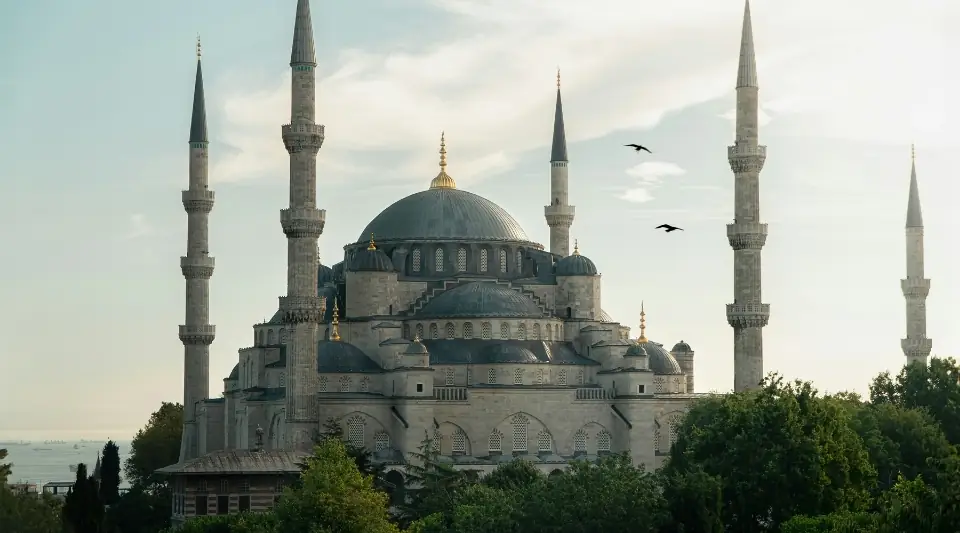
Also known as the Sultanahmet Mosque, the Blue Mosque was built between 1609 and 1617 during the reign of Sultan Ahmet I. Unlike most mosques in Istanbul, which have two or four minarets, this mosque has six minarets.
There is a popular legend behind this. It is said that the Sultan asked for “gold minarets” (altın minareler), but the architect misunderstood it as “six minarets” (altı minare). Since the words sound similar in Turkish, the mosque was built with six minarets.
However, historians believe this story is likely a myth. It is more probable that Sultan Ahmet I intentionally wanted six minarets to emphasize the mosque’s grandeur and importance.
One of the most remarkable features of the Blue Mosque is its beautiful Iznik tiles, which give the mosque its famous nickname. As it is still an active place of worship, visitors should dress modestly and behave respectfully during their visit.
Istanbul E-pass offers guided tours for the Blue Mosque and the Hippodrome. These tours are a great option if you want to learn more about the historical background of these iconic landmarks.
Hagia Sophia
If you are planning to visit the most important historical sites, we recommend starting your day with Hagia Sophia. Like several other historical structures in Istanbul, Hagia Sophia was originally built as a church and later converted into a mosque. It is one of the most remarkable places that reflects the city’s layered cultural and historical identity.
Inside Hagia Sophia, you can clearly observe the influences of different civilizations and time periods. One of the most striking examples of this is the coexistence of Byzantine mosaics alongside Ottoman calligraphy, offering a unique visual representation of Istanbul’s diverse heritage.
Recognized as a UNESCO World Heritage Site since 1985, Hagia Sophia continues to attract visitors from all around the world. Following its reconversion, the structure has been functionally divided into sections, serving both as a place of worship and a historical site open to visitors.
Today, Hagia Sophia welcomes both tourists and Muslims who come to pray every day. Visitors are advised to dress modestly and respect the religious atmosphere during their visit.
Istanbul E-pass offers daily guided tours of Hagia Sophia. With an English-speaking guide, you can explore both the mosque and its historical sections while learning about its rich and fascinating past.
Topkapi Palace
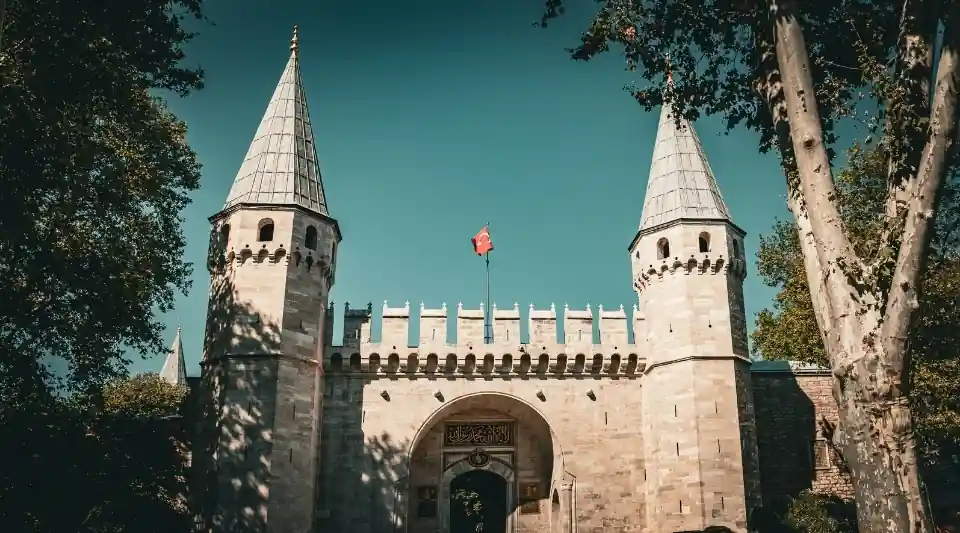
After visiting Hagia Sophia, you can easily walk to Topkapi Palace, as they are located very close to each other. Before entering the palace, you may also want to see the Fountain of Ahmed III, which stands just across from the entrance and is an elegant example of Ottoman architecture.
Topkapi Palace is one of the most important historical landmarks in Istanbul. It served as the main residence of the Ottoman sultans for nearly 400 years and was also the political and administrative center of the Ottoman Empire.
The palace holds great historical significance, as many key decisions regarding wars, laws, and diplomacy were made here. It reflects the power and wealth of the Ottoman Empire. Its architecture, courtyards, and gardens are both beautiful and impressive, offering visitors a glimpse into royal life.
Famous Ottoman rulers such as Suleiman the Magnificent and Mehmed II, who conquered Constantinople in 1453, lived and governed the empire from this palace.
Inside the palace, visitors can explore a wide collection of valuable items, including royal garments, swords, thrones, and sacred relics. One of the most famous treasures is the Spoonmaker's Diamond, known as one of the largest diamonds in the world and a major attraction for visitors.
For all these reasons, Topkapi Palace is a must-see destination. It offers a unique opportunity to understand Ottoman history, culture, and the lifestyle of the royal court.
Gulhane Park
After leaving Topkapi Palace, you can take a short walk to Gulhane Park. It was once part of the outer garden of Topkapi Palace and was used by Ottoman sultans. If you prefer not to walk, you can take the tram and get off at the Gulhane stop, where the park is located just in front of you.
Like many places in Istanbul, Gulhane Park has significant historical importance. In 1839, the Tanzimat Edict was proclaimed here, marking the beginning of important reforms in the Ottoman Empire. Sultan Abdulmejid I announced this decree in the park, and members of the royal family also spent time here when it was part of the palace grounds.
Today, the park offers a peaceful environment with beautiful trees, colorful flowers, and walking paths. It is especially popular during spring when tulips bloom throughout the park. Nearby, you can also visit important cultural sites such as the Istanbul Archaeology Museums.
While walking through Gulhane Park, you will likely see many cats, which are a beloved symbol of Istanbul and are cared for by both locals and visitors. You can also enjoy traditional street snacks such as roasted chestnuts or corn sold by vendors around the park.
Tarihi Sultanahmet Koftecisi
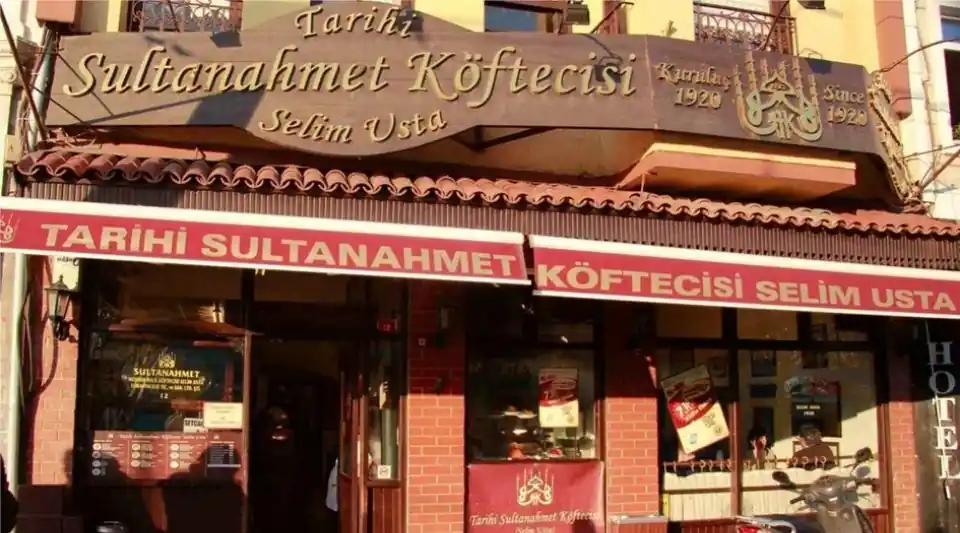
After exploring these magnificent historical sites, you will likely feel hungry. We recommend trying Tarihi Sultanahmet Koftecisi, one of the most famous and affordable restaurants in the Sultanahmet area.
The restaurant was founded in 1920, when Mehmet Seracettin Efendi opened a small shop called Turan Kebapcisi in Sultanahmet. They began serving kofte (meatballs), prepared with carefully selected meat, grilled over charcoal, and traditionally served without spices.
As the kofte became more popular, the shop’s name was changed to Halk Kebapcisi in 1944. In 1964, Selim and İsmail Tezçakın took over the business and continued operations in the same historic location. In 1976, the name “Sultanahmet” was added, creating the well-known brand recognized today.
Over time, their kofte gained recognition beyond Istanbul, making it one of the oldest and most iconic brands in Turkish cuisine. Do not forget to try semolina halvah, one of the most delicious traditional desserts.
Grand Bazaar
When visiting a city or country, it is a Turkish tradition to bring back gifts for loved ones. If you would like to buy souvenirs, we recommend visiting the Grand Bazaar.
The Grand Bazaar is one of the oldest and largest bazaars in Türkiye, with around 4,000 shops. Here, you can find a wide variety of items such as Turkish delight in many flavors, tea and coffee, handwoven carpets, leather goods, spices, and beautifully painted ceramics in deep cobalt and red tones.
Prices in the Grand Bazaar are often more affordable compared to general markets, and bargaining is a common and important part of the shopping experience. Since many shopkeepers serve tourists, they often speak English and several other languages. It is wise to be mindful of your conversations while shopping.
Karakoy
After shopping, you can leave the Grand Bazaar and walk across the Galata Bridge. Along the way, you will see fishermen lined up, fishing from the bridge, adding to the city’s unique atmosphere.
On the northern side of the bridge lies Karakoy, once a busy port area and now a vibrant district that blends history with modern life.
In Karakoy, you can relax at one of the many boutique cafes. The streets are filled with small, unique cafes, handmade product shops, and second-hand or vintage stores that attract locals with their variety and sustainable approach. You can also explore art galleries hidden within the narrow streets.
Karakoy is also a popular departure point for boat trips. From Karakoy Port, you can take ferries or private boats across the Bosphorus and the Golden Horn.
- To the Asian side: travel to Uskudar or Kadikoy
- Along the Bosphorus: enjoy scenic routes to Besiktas, Ortakoy, and Emirgan
- Short trips: explore the Galata Bridge, Golden Horn, and the historic peninsula
Tickets are available at the port, and boats run frequently throughout the day. It is an enjoyable way to experience Istanbul from the water. Istanbul E-pass also provides free access to Bosphorus cruises departing from Karakoy Port.
Final Word
To truly enjoy your visit, it is best not to rush. A day in Istanbul is most rewarding when experienced at a relaxed pace. Plan your route thoughtfully and explore step by step.
Istanbul E-pass can help you move easily between attractions, offering guidance on where to go, when to visit, and how to organize your day efficiently.