Istanbul is home to some of the most important monuments of the Byzantine
and Ottoman periods. Hagia Sophia, Topkapi Palace, the Blue Mosque and
Süleymaniye Mosque are often described as UNESCO attractions, but the
official UNESCO listing works a little differently. UNESCO does not list these landmarks as separate World Heritage Sites.
Instead, Historic Areas of Istanbul is registered as a
single World Heritage property. It was added to the UNESCO World Heritage
List in 1985.
This World Heritage property is made up of four main component areas.
Within these areas are many important Byzantine and Ottoman monuments,
including Hagia Sophia, Topkapi Palace, the Hippodrome of Constantinople,
Hagia Irene, Süleymaniye Mosque, Zeyrek Mosque and the historic Land Walls.
What Are the Four UNESCO-Listed Historic Areas of Istanbul?
UNESCO divides the Historic Areas of Istanbul into four main component
areas across the Historic Peninsula.
- Sultanahmet Archaeological Park
- Süleymaniye Conservation Area
- Zeyrek Conservation Area
- Theodosian Land Walls Area
Each area represents a different part of Istanbul's historical development.
Together they preserve major religious buildings, imperial palaces,
defensive structures and traditional urban neighborhoods from the
Byzantine and Ottoman periods.
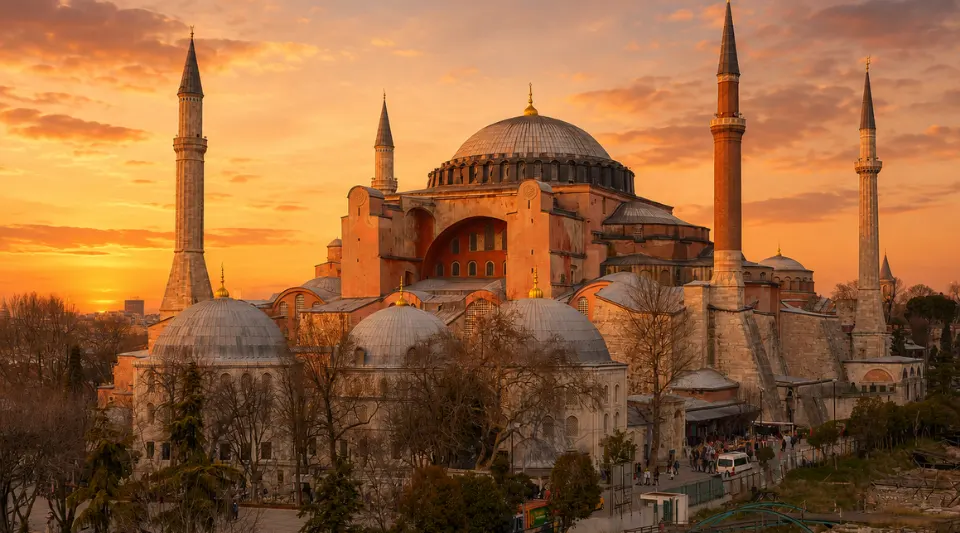
Few landmarks represent Istanbul's history as strongly as
Hagia Sophia. Built between 532 and 537 during the reign of Byzantine Emperor Justinian I,
Hagia Sophia became one of the defining architectural achievements of
Constantinople. Its vast dome and innovative design influenced religious
architecture for centuries. UNESCO identifies Hagia Sophia as one of the unique architectural
masterpieces that contribute to the Outstanding Universal Value of
Historic Istanbul. Its location in Sultanahmet also places it close to several other important
monuments within the Archaeological Park.
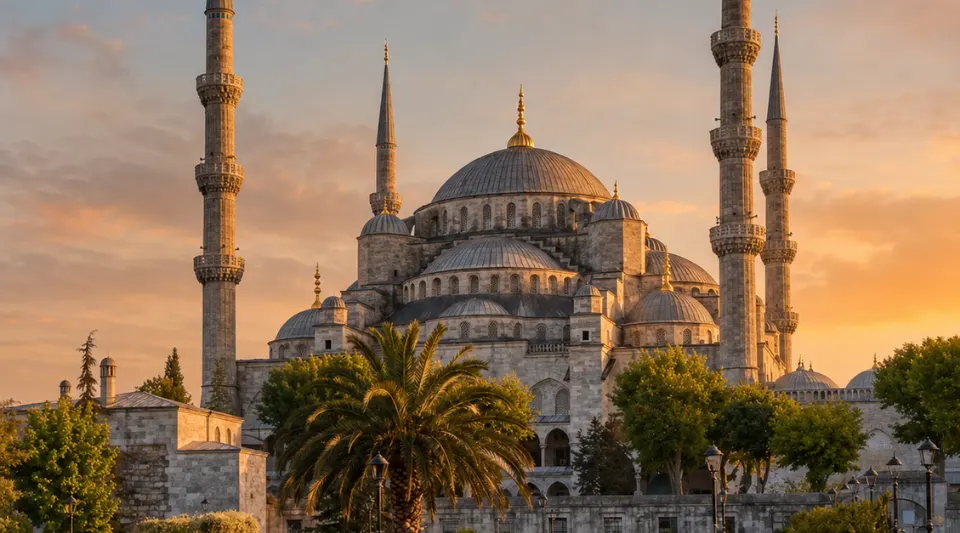
Standing opposite Hagia Sophia, the Blue Mosque,
officially known as Sultan Ahmed Mosque, is one of Istanbul's most
recognizable Ottoman monuments. Built in the early 17th century, the mosque is known for its large central
dome, six minarets and historic interior decoration. UNESCO includes the Blue Mosque among the important monuments that form
part of the historic architectural landscape of Istanbul.
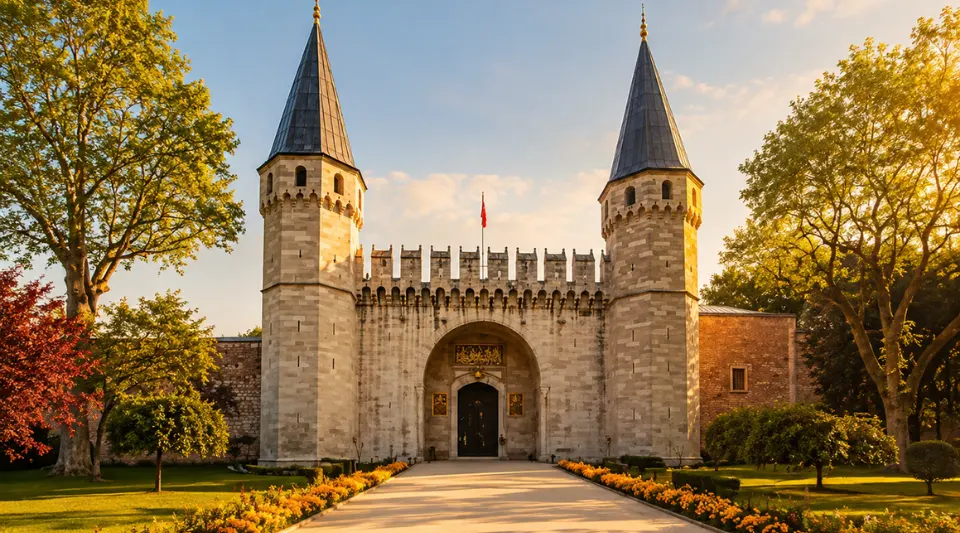
For centuries, Topkapi Palace stood at the center of
Ottoman imperial life. Established in the 15th century and expanded over the following centuries,
the palace contains courtyards, ceremonial spaces, administrative buildings
and imperial residences. UNESCO highlights Topkapi Palace as an important part of Istanbul's
historic skyline and as one of the major examples of an Ottoman palace complex. The palace is located within the Archaeological Park, close to Hagia Sophia
and Hagia Irene.
Hippodrome of Constantinople
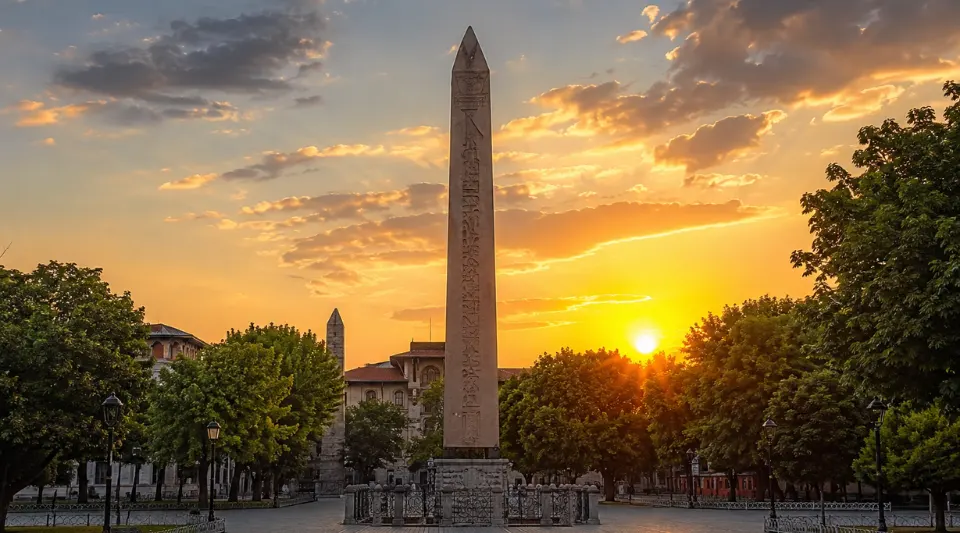
Before Sultanahmet Square became one of Istanbul's busiest visitor areas,
it formed part of the ancient Hippodrome of Constantinople. During the Byzantine period, the Hippodrome was one of the city's most
important public and ceremonial spaces. Chariot races, imperial ceremonies
and major public gatherings took place here. Although much of the original structure has disappeared, several historic
monuments remain around the former arena. UNESCO identifies the Hippodrome
as one of the notable monuments within the Historic Areas of Istanbul.
Hagia Irene
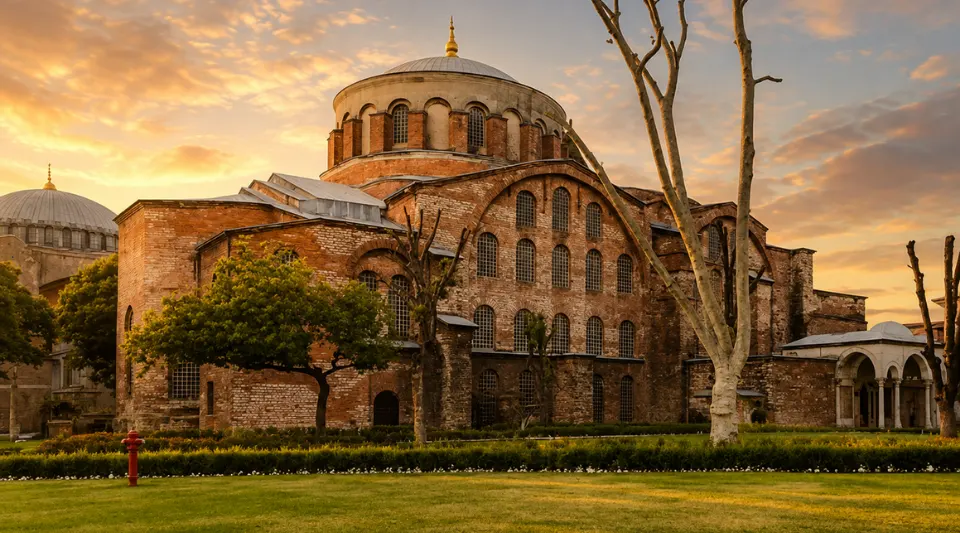
Located within the outer grounds of Topkapi Palace,
Hagia Irene is one of Istanbul's important surviving
Byzantine churches. Its architecture offers another perspective on the city's Byzantine
heritage and contrasts with the later Ottoman buildings surrounding
the palace complex. UNESCO includes Hagia Irene among the important Byzantine monuments
represented within the Historic Areas of Istanbul.
Suleymaniye Mosque
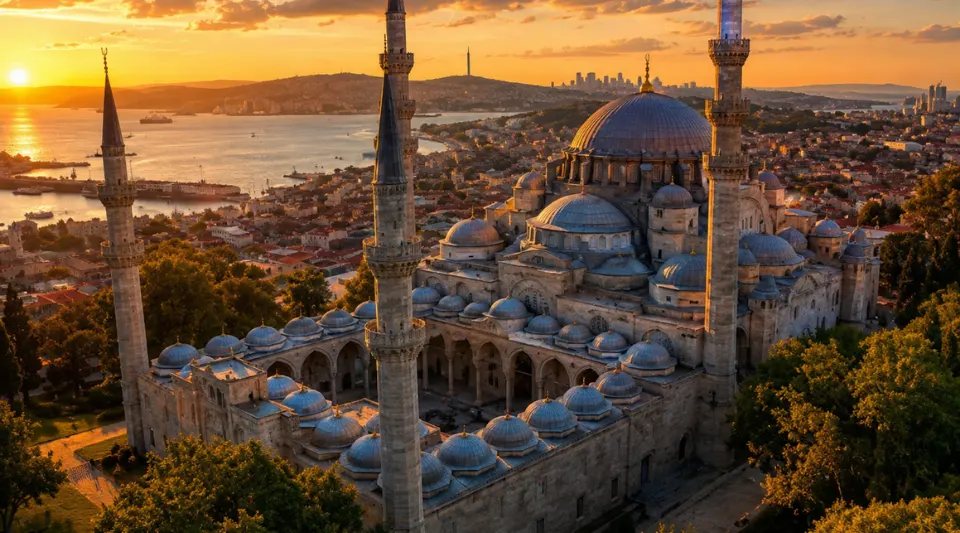
The Suleymaniye Mosque is one of the great masterpieces
of classical Ottoman architecture. Designed by Mimar Sinan and constructed in the 16th century, the complex
occupies a prominent position above the Golden Horn and remains an
important part of Istanbul's historic skyline. The Süleymaniye complex included far more than the mosque itself.
Educational, charitable and social buildings formed part of the wider
religious complex. The surrounding Suleymaniye Conservation Area is one
of the four component areas of the Historic Areas of Istanbul.
Zeyrek Mosque and Zeyrek Conservation Area
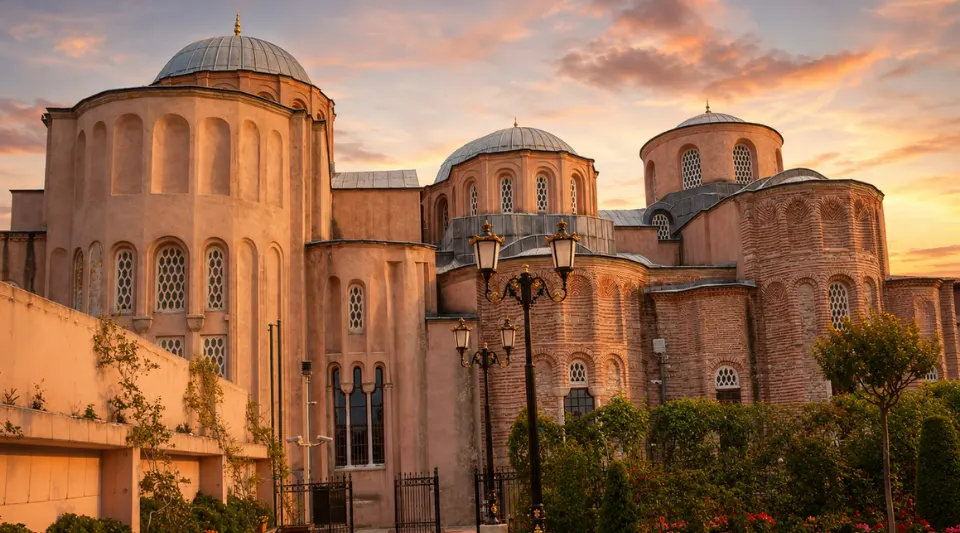
The Zeyrek Conservation Area represents another important
layer of Istanbul's Byzantine and Ottoman history. At its center is Zeyrek Mosque, originally part of the Byzantine
Pantocrator Monastery. The surrounding neighborhood also
preserves elements of Istanbul's traditional historic urban fabric. UNESCO recognizes the Zeyrek area and the former Pantocrator complex as
one of the four components of the Historic Areas of Istanbul. For visitors who have already explored Sultanahmet, Zeyrek offers a quieter
way to experience the Historic Peninsula.
Theodosian Land Walls
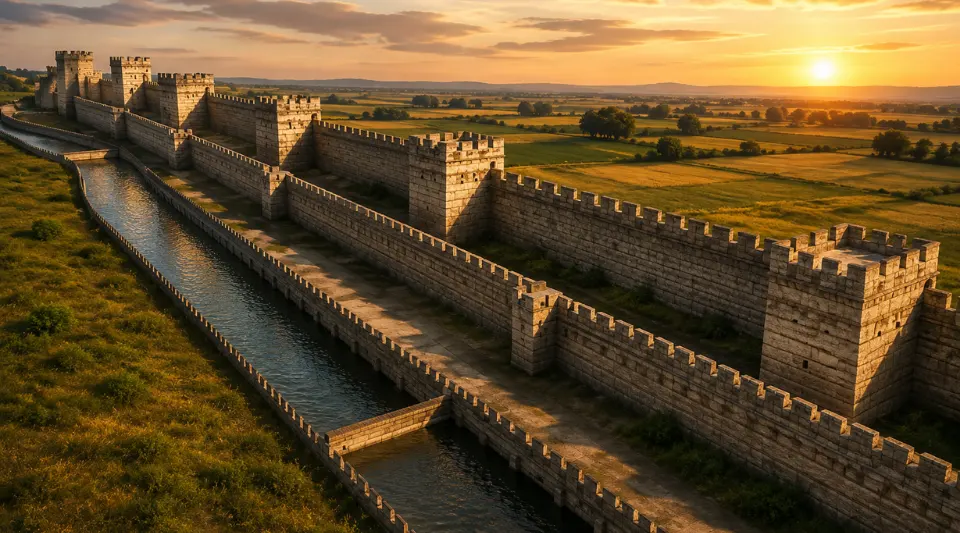
Stretching across the western side of the Historic Peninsula, the
Theodosian Land Walls once formed one of Constantinople's
most important defensive systems. The walls date primarily to the 5th century and protected the Byzantine
capital from attacks approaching from the west. UNESCO notes the importance of the Land Walls in the development of
military architecture. The area along both sides of the walls forms one
of the four official component areas of the World Heritage property. Surviving sections can still be seen today and provide a sense of the
scale of ancient Constantinople.
Chora
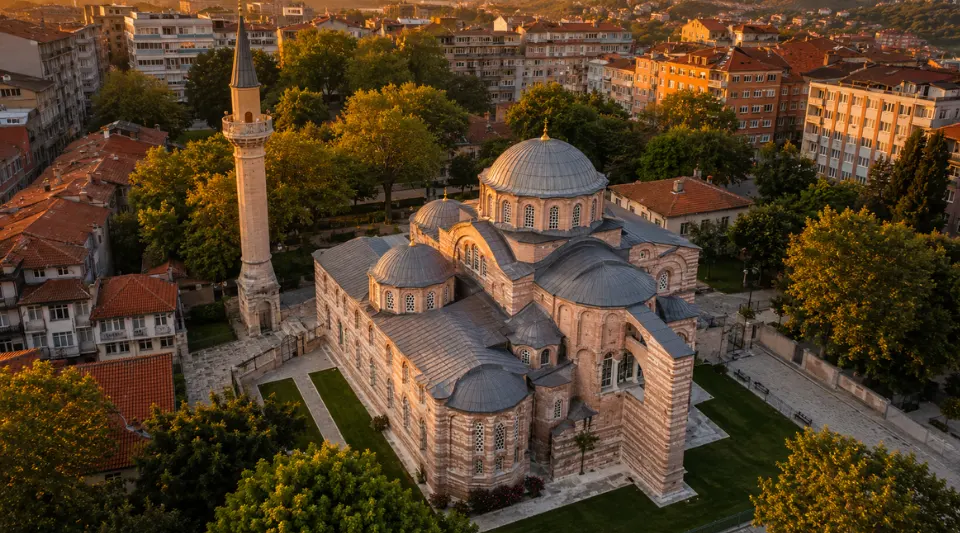
Close to the historic Land Walls, Chora, formerly the
Church of the Holy Saviour in Chora, is particularly known for its
Byzantine mosaics and paintings. The surviving artworks are among Istanbul's important examples of late
Byzantine artistic heritage. UNESCO specifically refers to the former Chora church and its mosaics
and paintings when describing the monuments represented within the
Historic Areas of Istanbul. Chora is especially worthwhile for visitors interested in Byzantine art,
religious architecture and the history of Constantinople.
Which UNESCO Attractions Should You Visit First?
If you are visiting Istanbul for the first time,
Sultanahmet is the easiest place to start.
Hagia Sophia, the Blue Mosque, Topkapi Palace, Hagia Irene and the former
Hippodrome are concentrated within the same part of the Historic Peninsula. With more time, continue toward Süleymaniye and Zeyrek before exploring
Chora and surviving sections of the historic Land Walls. Together, these places show how Byzantine and Ottoman monuments shaped
the historic landscape and distinctive skyline that earned Istanbul its
place on the UNESCO World Heritage List.