Soup is much more than a starter in Turkish cuisine. Depending on the region, it can be eaten for breakfast, lunch or dinner, served at weddings and family gatherings, prepared as part of winter food traditions or enjoyed late at night after an evening out. Lentils, yogurt, wheat, meat, chicken broth, herbs, vegetables and fermented ingredients all appear in different Turkish soup traditions.
There is no single official count of every traditional soup made across Türkiye, but culinary sources commonly refer to more than 300 different varieties. The true number becomes difficult to define because many cities, villages and even families have their own versions of the same soup. This diversity is one of the clearest examples of Türkiye's regional gastronomy: Gaziantep's rich meat soups are very different from Black Sea vegetable soups, while Anatolian yogurt and grain soups form another tradition entirely. TasteAtlas currently includes 16 dishes in its ranking of the best soups in Türkiye, but this should not be understood as a complete list of Turkish soups. TasteAtlas rankings are based on audience ratings and are updated over time, so positions and scores can change from one update to another. The rankings below therefore reflect the list available when this article was prepared.
Best Turkish Soups According to TasteAtlas
TasteAtlas' Türkiye ranking places Beyran çorbası at the top, followed by mercimek çorbası, domates çorbası and kelle paça. The list then moves from familiar yogurt and lentil soups to regional recipes such as yuvarlama, şiveydiz, karalahana and toyga.
| Rank in Türkiye |
Turkish Soup |
TasteAtlas Rating |
| 1 |
Beyran Çorbası |
4.5 |
| 2 |
Mercimek Çorbası |
4.4 |
| 3 |
Domates Çorbası |
4.2 |
| 4 |
Kelle Paça Çorbası |
4.1 |
| 5 |
Cacık |
4.0 |
| 6 |
Tutmaç Çorbası |
4.0 |
| 7 |
Yayla Çorbası |
3.8 |
| 8 |
Yuvarlama Çorbası |
3.8 |
| 9 |
Ezogelin Çorbası |
3.8 |
| 10 |
Düğün Çorbası |
3.8 |
| 11 |
Tarhana Çorbası |
3.7 |
| 12 |
Şiveydiz |
3.4 |
| 13 |
İşkembe Çorbası |
3.3 |
| 14 |
Karalahana Çorbası |
3.2 |
| 15 |
Toyga |
3.1 |
| 16 |
Mahluta |
2.9 |
Beyran Çorbası (Spicy Lamb and Rice Soup)
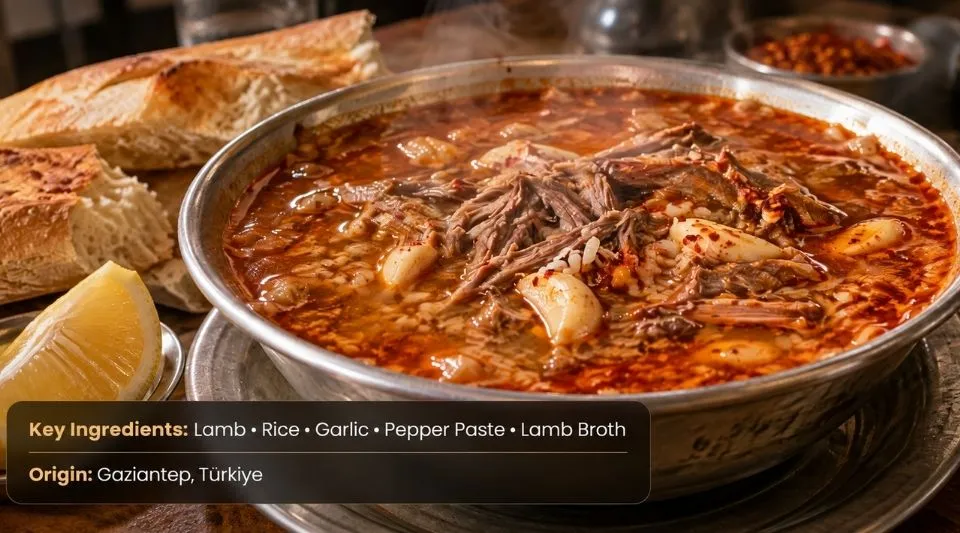
Beyran is currently the highest-rated Turkish soup on TasteAtlas and one of the strongest examples of Gaziantep's food culture. It is prepared with shredded lamb, rice, lamb broth, garlic, pepper paste and rendered lamb fat. Unlike a light starter, Beyran is rich, spicy and filling enough to be a meal by itself.
One of the most unusual aspects of Beyran is that it is traditionally eaten in the morning in Gaziantep. While visitors may associate soup with lunch or dinner, locals can begin the day with a steaming bowl of Beyran, bread and lemon. TasteAtlas currently ranks Beyran 1st among Turkish soups. It also appears exceptionally high in international rankings, placing 1st among Asian soups and 2nd among soups worldwide in the September 2026 lists.
Where to try it: For the traditional experience, Gaziantep remains the best destination. Metanet Lokantası is one of the restaurants specifically listed by TasteAtlas for Beyran. Istanbul also has restaurants specializing in Gaziantep cuisine where Beyran may be available.
Mercimek Çorbası (Red Lentil Soup)
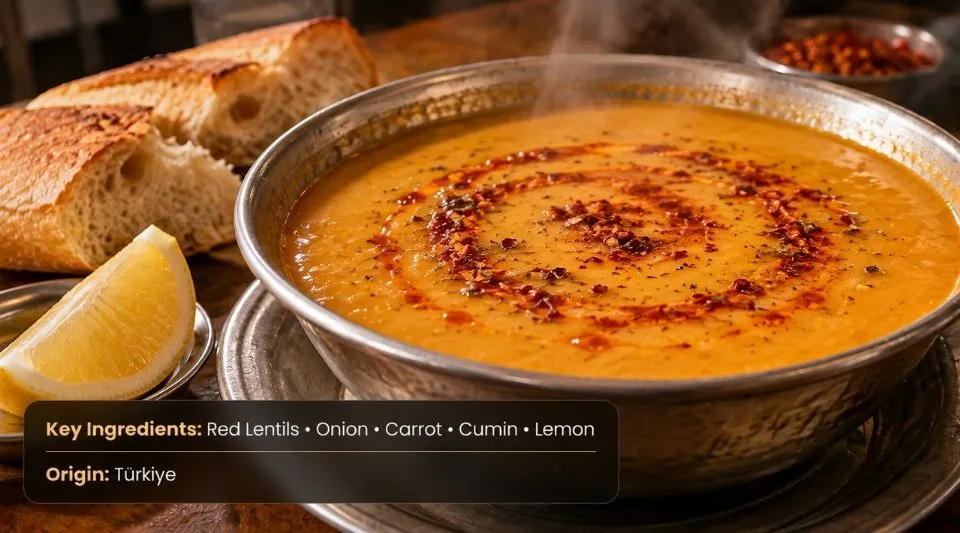
If Beyran represents Türkiye's regional soup culture, mercimek çorbası represents everyday Turkish eating. Red lentils are cooked with ingredients such as onion and carrot, and recipes may use water, vegetable stock or chicken stock. Cumin, black pepper, paprika and lemon are common additions.
Mercimek soup can be found almost everywhere, from small neighborhood lokantas to kebab restaurants and hotel kitchens. It is eaten at lunch and dinner, but in some parts of Türkiye it is also served in the morning.
Red lentils naturally contribute plant protein and fiber, while the liquid base makes the dish filling without necessarily being heavy. The exact nutritional value changes according to whether the recipe includes butter, oil, potato, chicken stock or other ingredients.
TasteAtlas ranks mercimek çorbası 2nd in Türkiye, 9th in Asia and 12th in the world.
Where to try it in Istanbul: TasteAtlas includes Şehzade Cağ Kebap in Sirkeci among its recommended places for mercimek çorbası. However, this is also one of the easiest soups to find in traditional lokantas throughout the city.
Domates Çorbası (Turkish Tomato Soup)
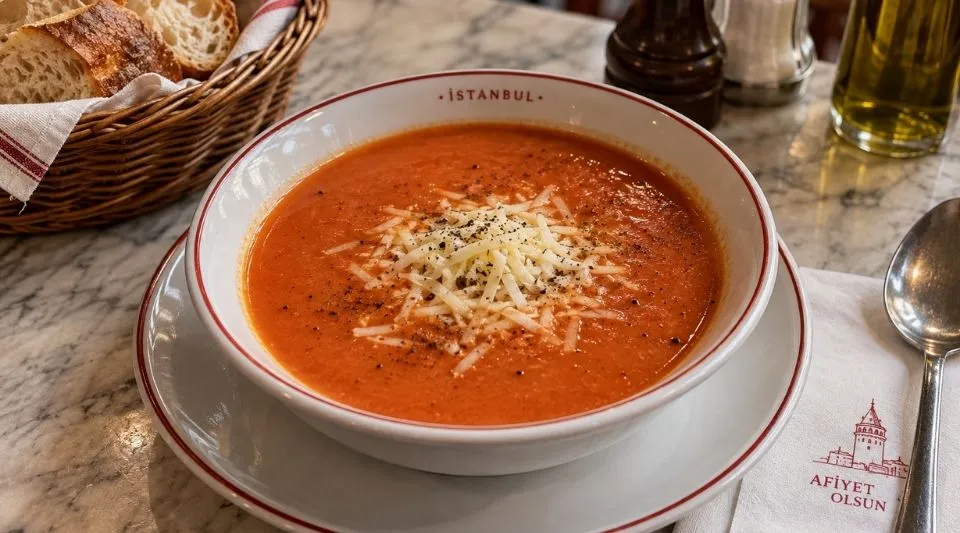
Domates çorbası is one of the more familiar Turkish soups for international visitors. Tomatoes are commonly combined with onion, garlic, olive oil or butter and sometimes flour to produce a smooth texture. Many Turkish restaurants finish the soup with grated kaşar cheese.
It is considerably milder than Beyran, kelle paça or işkembe, making it an easy choice for travelers who want something familiar before trying Türkiye's more distinctive regional soups.
TasteAtlas currently places domates çorbası 3rd among Turkish soups. It also appears in the international lists, ranking 27th in Asia and 55th worldwide in the September 2026 rankings.
Kelle Paça Çorbası (Lamb Head and Trotter Soup)
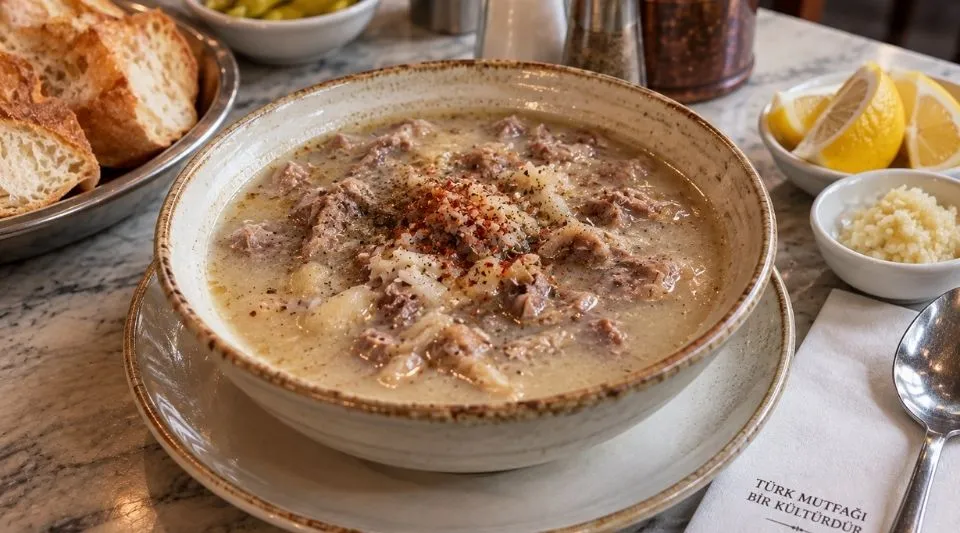
Kelle paça is one of Türkiye's traditional offal-based soups. It is generally prepared by slowly cooking parts of sheep, lamb or goat until the meat becomes tender and the broth develops a rich texture. Garlic, vinegar and lemon are commonly added at the table.
The dish is particularly connected with Istanbul's late-night eating culture. Kelle paça restaurants traditionally attract customers long after conventional dinner hours, and some specialize almost entirely in paça, işkembe and similar soups.
Where to try it in Taksim: Murat Kelle Paça in Beyoğlu, close to Taksim and Istiklal Street, is a well-known specialist in kelle paça and işkembe. It is especially useful for visitors exploring the area late at night.
If you want to understand the wider late-night food culture around dishes such as soup, kokoreç, dürüm and stuffed mussels, continue with our guide to Turkish Street Foods in Istanbul.
Yuvalama or Yuvarlama Çorbası (Yogurt Soup with Meatballs and Chickpeas)
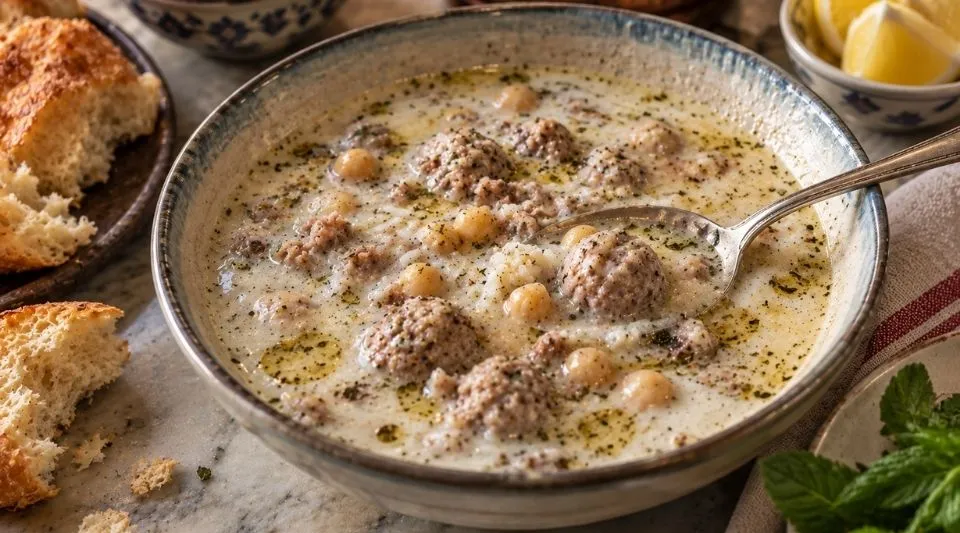
Yuvalama, also called yuvarlama, is another important dish from Gaziantep. Small hand-rolled meatballs are prepared with rice or bulgur-based mixtures and served with chickpeas in a yogurt broth. Making hundreds of tiny balls by hand makes it one of the most labor-intensive soups in Turkish cuisine.
Its importance is also cultural. Yuvarlama is traditionally connected with family gatherings and the celebrations surrounding Ramazan Bayramı. Preparing it can become a group activity involving several members of the family.
Because of the work involved, yuvarlama is a good example of why Turkish soup culture cannot be reduced to simple starters. Some soups function as full meals and are closely tied to important occasions.
Yayla Çorbası (Turkish Yogurt and Rice Soup)
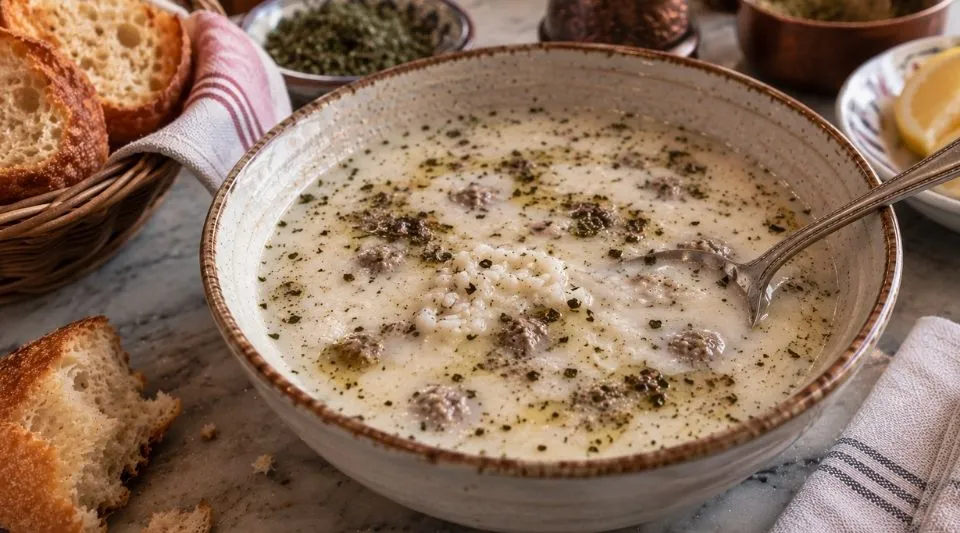
Yayla çorbası is made primarily with yogurt and rice and is usually finished with dried mint and butter. It has a mild, slightly tangy flavor and a much lighter character than meat-based soups such as Beyran or kelle paça.
Yogurt is central to Turkish cuisine, so yogurt-based soups form an important category of their own. Variations can be found across Anatolia with different grains, legumes and herbs.
Ezogelin Çorbası (Red Lentil and Bulgur Soup)
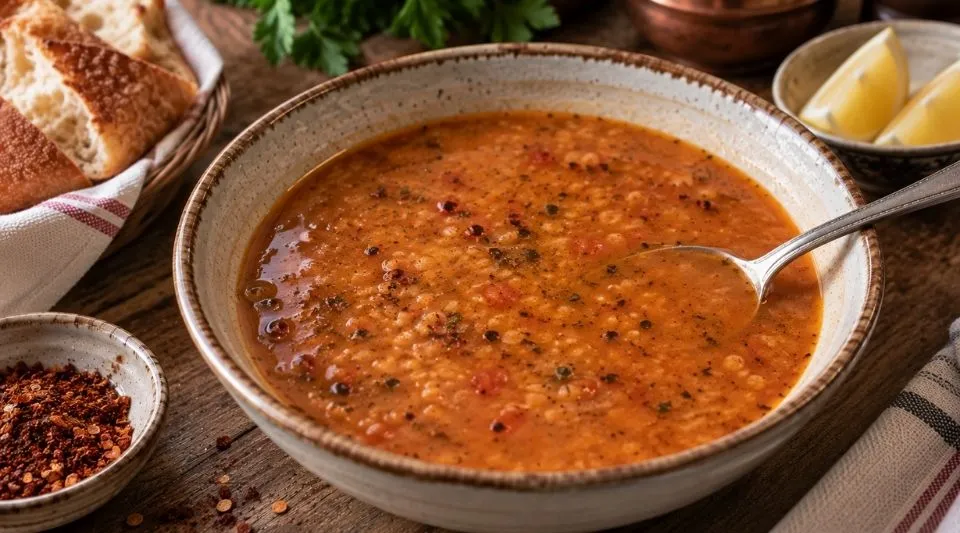
Ezogelin is sometimes mistaken for mercimek çorbası because both use red lentils, but the two are not the same. Ezogelin generally includes bulgur, pepper paste, mint and additional spices, producing a more textured and aromatic soup.
The soup is associated with the story of Ezo Gelin from the Gaziantep region. Whether visitors come for the story or the flavor, it is one of the easiest regional soups to find throughout Türkiye today.
Tarhana Çorbası (Fermented Tarhana Soup)
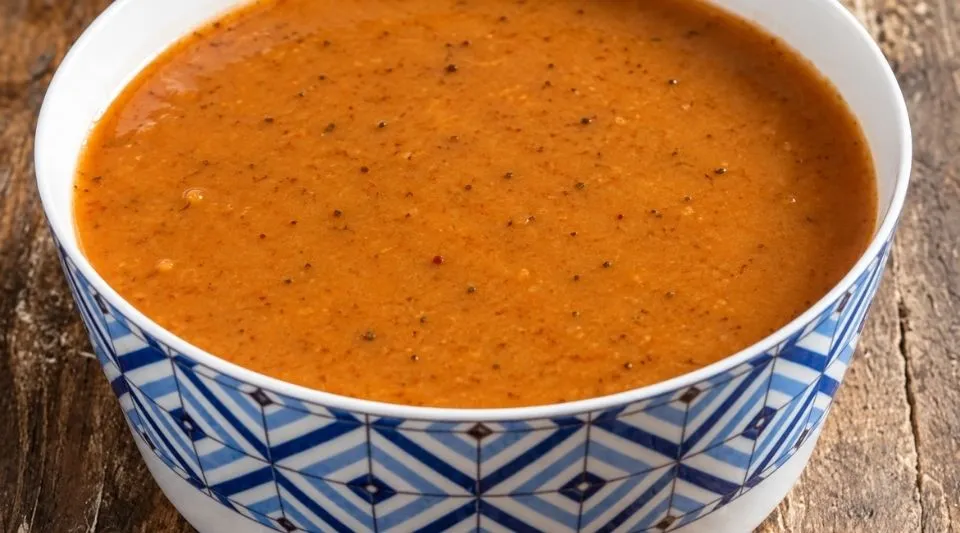
Tarhana is one of the most interesting dishes in Turkish soup culture because it is not simply a recipe prepared on the day it is eaten. Tarhana is traditionally made in advance, fermented, dried and stored so that it can quickly be turned into soup when needed.
GoTürkiye describes tarhana as the world's first instant soup. The idea is easy to understand: families traditionally completed much of the preparation during summer or autumn, dried the mixture and stored it for winter. When soup was needed, the dried tarhana could be rehydrated and cooked relatively quickly.
There is no single tarhana recipe across Türkiye. Ingredients and production methods can change substantially from region to region.
Muğla Göce Tarhanası is made with medium-cracked hard wheat known as göce, strained yogurt and dried tarhana herb. In parts of Muğla, white and red tarhana traditions also differ, with some versions incorporating legumes, tomato, pepper and other ingredients.
Maraş Tarhanası uses cracked wheat and yogurt, commonly with thyme and sometimes black sesame. Unlike many powdered tarhanas, Maraş tarhana can also be eaten dried as a snack, softened or prepared as soup.
Uşak Tarhanası traditionally contains ingredients such as red pepper, onion, chickpeas, flour, yogurt and yeast. Other cities have their own proportions of yogurt, grain, vegetables and spices, which means the flavor of one regional tarhana can be noticeably different from another.
Tarhana is a fermented cereal and yogurt product, and its nutritional composition depends heavily on the ingredients used. Studies of traditional tarhana show that it can provide protein and other nutrients from its grain and yogurt components. Fermentation also contributes to its characteristic acidity, aroma and storage qualities. However, cooked tarhana should not automatically be described as a probiotic food because heating affects live microorganisms.
İşkembe Çorbası (Turkish Tripe Soup)
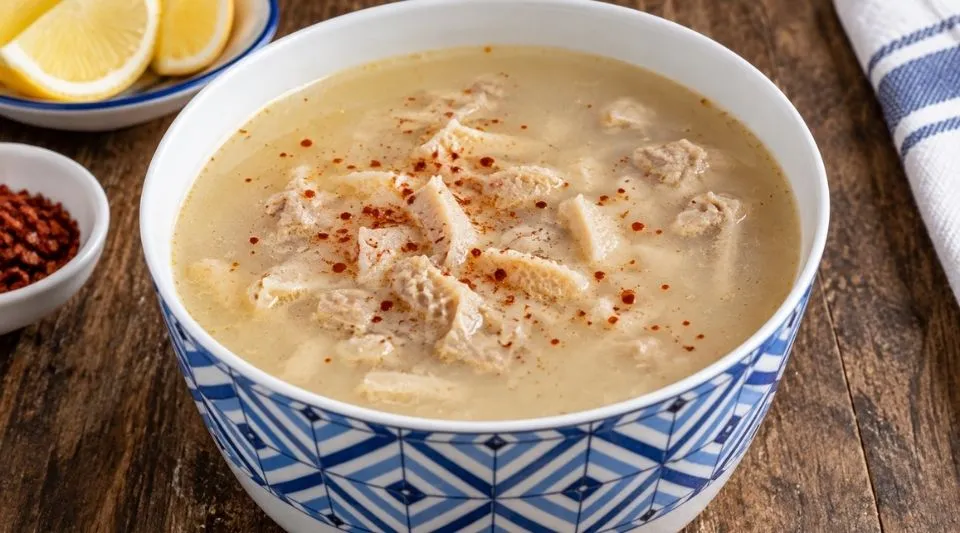
İşkembe is a traditional tripe soup and another important part of Türkiye's late-night soup culture. The broth is usually served with garlic, vinegar, lemon and chili according to personal preference.
Dedicated işkembe restaurants were historically among the places where people could find a hot meal very late at night. That tradition continues in Istanbul, where kelle paça and işkembe are often sold in the same restaurants.
Karalahana Çorbası (Black Cabbage Soup)
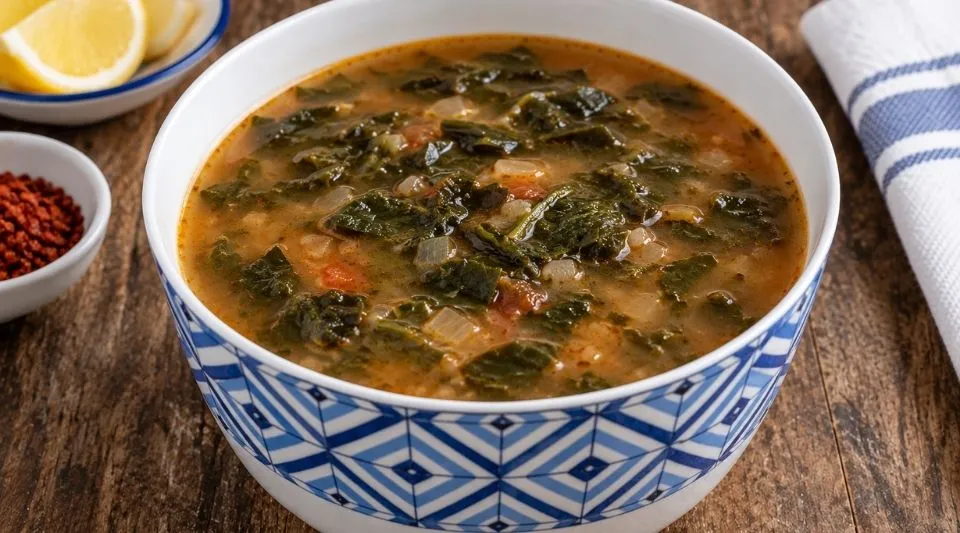
Karalahana çorbası represents a very different regional tradition. Associated particularly with the Black Sea, it uses black cabbage together with ingredients that may include beans, corn or corn flour depending on the local recipe.
Its ingredients and texture demonstrate how geography changes Turkish soup culture. Black Sea cooking relies on ingredients that differ significantly from the lamb, yogurt and pepper-heavy dishes associated with southeastern Türkiye.
Tutmaç, Toyga, Şiveydiz and Mahluta (Lentil Soup)
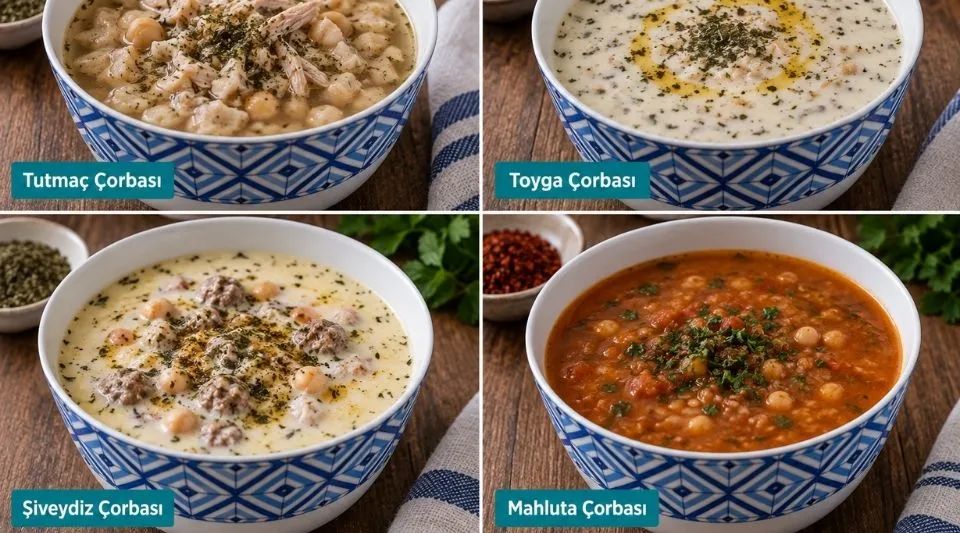
Several lesser-known regional soups also appear in TasteAtlas' Turkish ranking. Tutmaç combines noodles, lentils and yogurt and has a documented history stretching back centuries. Toyga is another yogurt-based soup that commonly includes wheat and chickpeas.
Şiveydiz is associated with Gaziantep and combines ingredients such as fresh garlic, yogurt, chickpeas and meat. Mahluta is a lentil-based soup found particularly in southern and southeastern food traditions. These dishes are less internationally famous than mercimek or Beyran but help show how broad Türkiye's soup repertoire really is.
Other Traditional Turkish Soups Worth Trying
A TasteAtlas ranking cannot cover every soup eaten across Türkiye. Many dishes that are common in homes and local restaurants may not appear near the top of an international rating list.
Tavuk Suyu Çorbası (Turkish Chicken Soup)
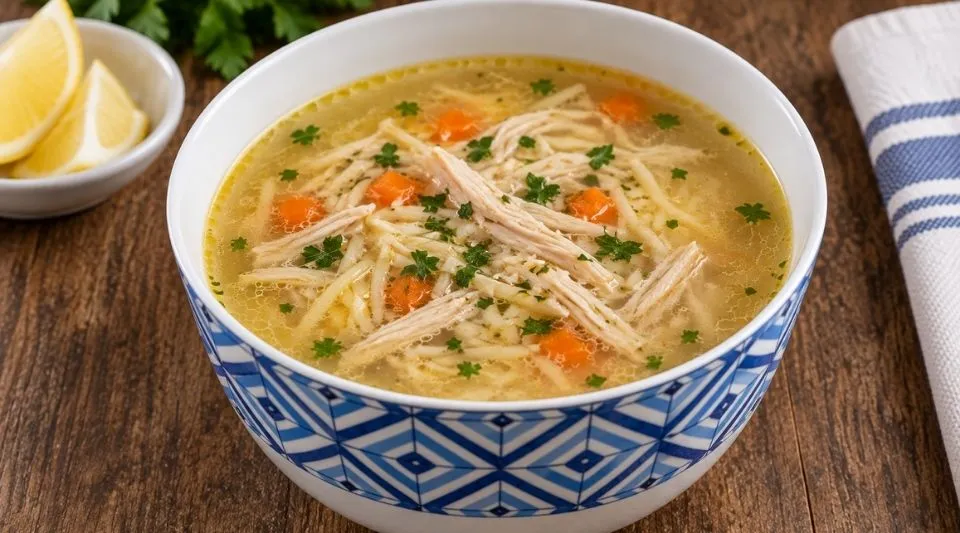
Tavuk suyu çorbası is Turkish-style chicken broth soup. The simplest versions use chicken broth, shredded chicken and şehriye, a small pasta commonly used in Turkish cooking. Other versions may contain rice, vegetables, lemon or an egg-and-lemon thickening called terbiye.
Like chicken soup in many other cultures, tavuk suyu has a strong association with comfort food and is frequently prepared when someone is feeling unwell. The sensible nutritional explanation is simpler than many traditional health claims: broth-based soup contributes fluid, chicken can provide protein and vegetables or grains can add additional nutrients. It should be considered nourishing food rather than a medical treatment.
Şehriye Çorbası (Turkish Vermicelli Soup)
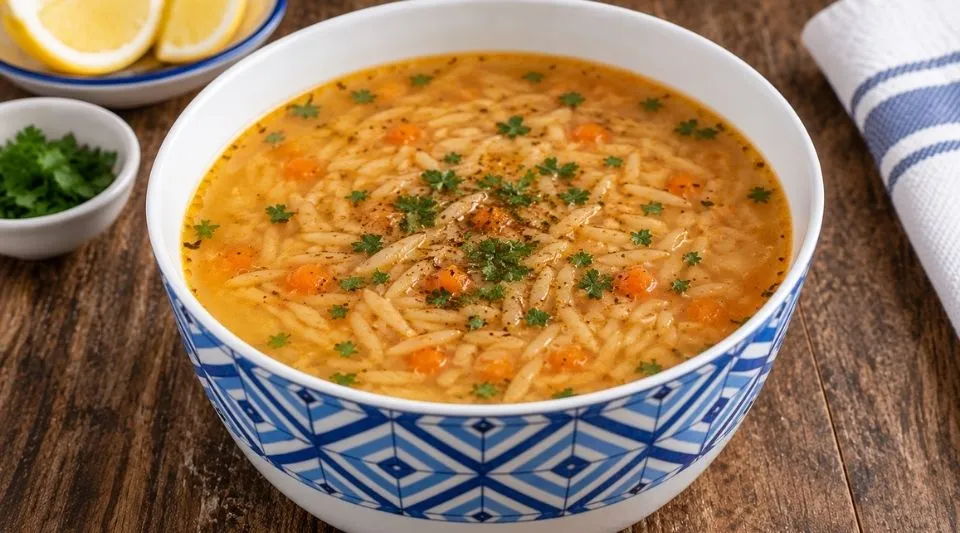
Şehriye soup is one of the simplest everyday soups in Turkish home cooking. Small pasta such as tel şehriye or arpa şehriye is cooked in a tomato-based broth, meat broth or chicken broth. It is inexpensive, quick to prepare and particularly common during colder weather.
Arabaşı Çorbası (Spicy Chicken Soup with Dough)
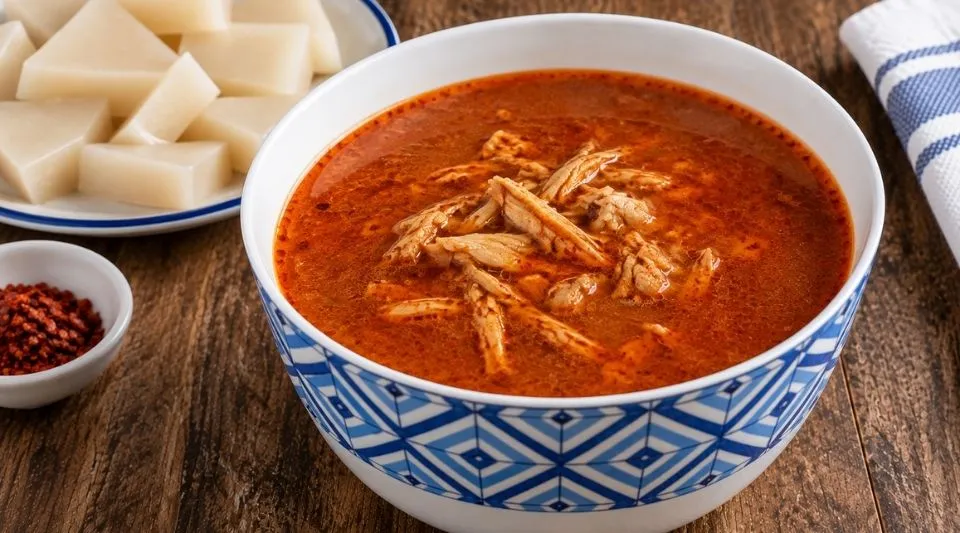
Arabaşı is associated particularly with Central Anatolia. It is traditionally a spicy poultry-based soup served with a separate dough. Rather than chewing the dough like bread, small pieces are swallowed together with spoonfuls of hot soup, creating one of Türkiye's more distinctive regional soup traditions.
Why Soup Has Such an Important Place in Turkish Cuisine
The variety of Turkish soup is partly the result of geography. Grain-producing regions developed wheat and bulgur soups, livestock traditions contributed yogurt and meat-based recipes, the Black Sea developed vegetable-heavy dishes, and southeastern cities created intensely flavored recipes using lamb, chickpeas, yogurt, garlic and pepper.
Soup also fits many different moments of daily life. Mercimek may begin a normal lunch at a lokanta, Beyran can be breakfast in Gaziantep, tarhana may come from a family's winter pantry, yuvarlama can appear during a holiday gathering, while kelle paça and işkembe are closely associated with late-night eating.
From a nutritional point of view, there is also no single "health benefit of Turkish soup" because recipes vary enormously. Lentil-based soups can contribute plant protein and fiber, chicken and meat soups can provide protein, yogurt-based soups add dairy ingredients, and vegetable soups can increase vegetable intake. Broth-based soups also contribute fluid. The healthiest choice depends on the ingredients, portion and amount of salt, butter or fat used.
To see how soup fits alongside meze, kebabs, vegetable dishes, seafood and other courses, read our Istanbul Dining Guide.
Turkish Soups Among the Best Soups in the World
The September 2026 TasteAtlas ranking of the world's best soups includes dishes from Latin America, Europe and Asia. Its global top 10 features Vori-vori, Beyran çorbası, Soto Betawi, Yokohama-Style Ramen, Tonkotsu Ramen, Sinigang na Baboy, Tom Kha Gai, Lanzhou Lamian, Lohikeitto and Caldo de Queso.
Türkiye has a particularly strong position because Beyran is ranked 2nd in the world. Mercimek çorbası is also near the top at number 12.
| World Rank |
Soup from Türkiye |
TasteAtlas Rating |
| 2 |
Beyran Çorbası |
4.5 |
| 12 |
Mercimek Çorbası |
4.4 |
| 55 |
Domates Çorbası |
4.2 |
| 69 |
Kelle Paça Çorbası |
4.1 |
TasteAtlas Top 100 Soups in the World, September 2026. Rankings are dynamic and may change as new ratings are added.
Best Asian Soups from Türkiye
Türkiye has an even broader presence in TasteAtlas' list of the best soups in Asia. The Asian top 10 includes Beyran çorbası, Soto Betawi, Yokohama-Style Ramen, Tonkotsu Ramen, Sinigang na Baboy, Tom Kha Gai, Lanzhou Lamian, Sinigang, Mercimek Çorbası and Taiwanese Hot Pot.
This means that two Turkish soups are among Asia's top 10: Beyran is ranked 1st and mercimek çorbası is ranked 9th. Turkish soups continue throughout the top 100, ranging from tomato and meat soups to yogurt, grain and fermented recipes.
| Asia Rank |
Soup from Türkiye |
TasteAtlas Rating |
| 1 |
Beyran Çorbası |
4.5 |
| 9 |
Mercimek Çorbası |
4.4 |
| 27 |
Domates Çorbası |
4.2 |
| 31 |
Kelle Paça Çorbası |
4.1 |
| 51 |
Cacık |
4.0 |
| 56 |
Tutmaç Çorbası |
4.0 |
| 70 |
Yuvarlama Çorbası |
3.9 |
| 77 |
Yayla Çorbası |
3.8 |
| 79 |
Ezogelin Çorbası |
3.8 |
| 85 |
Düğün Çorbası |
3.8 |
| 91 |
Tarhana Çorbası |
3.7 |
TasteAtlas Top 100 Asian Soups, September 2026. Ratings and positions can change when the ranking is updated.
Where to Try Turkish Soup in Istanbul
Istanbul is a particularly good city for exploring Turkish soup culture because restaurants represent cuisines from almost every part of Türkiye. A visitor can have mercimek at a neighborhood lokanta, try kelle paça around Taksim, look for Gaziantep-style Beyran and yuvarlama, or visit a Black Sea restaurant for dishes such as karalahana soup.
The time of day also changes the experience. Mercimek and ezogelin are common lunch and dinner soups, while specialist paça and işkembe restaurants are an important part of Istanbul's late-night food scene.
Travelers who want to explore local food beyond a single restaurant can also join the Istanbul Street Food Night Tour – Eat Like a Local. The experience includes a traditional Turkish soup tasting together with other local foods, making it a useful introduction to how Istanbul eats after dark.
Turkish Food Culture Beyond Soup
Türkiye's soup tradition is only one part of a much larger regional cuisine. The same trip can introduce visitors to kebabs from southeastern Anatolia, olive-oil dishes from the Aegean, Black Sea specialties, meze, seafood, pide, mantı and dozens of different street foods.
Istanbul brings many of these traditions together in one city. For a broader overview of dishes visitors should know, see What to Eat & Drink in Istanbul.
A meal can also continue in a very different direction after the soup and main courses. Baklava, künefe, sütlaç, kazandibi and many regional sweets form another major part of Turkish gastronomy. You can discover them in our guide to the 15 Most Popular Turkish Desserts and Sweets to Try.