Top 15 Turkish Desserts and Sweets
Turkish desserts are an important part of the country’s food culture. Some are prepared with thin pastry, pistachios and sweet syrup, while others are made with milk, rice, fruit or nuts. The most popular Turkish desserts include baklava, künefe, sütlaç, lokum and kazandibi. However, Turkey also has many regional and seasonal sweets that visitors may not know before their trip. This guide introduces 15 traditional Turkish desserts and sweets. You will learn what they contain, how they taste and when they are usually served.
Which Turkish Dessert Should You Try First?
Choosing a dessert depends on the type of sweet you enjoy. Here is a quick guide:
- Most famous: Turkish baklava
- Best served hot: Künefe
- Light and creamy: Fırın sütlaç
- Most unusual: Tavuk göğsü
- Best Turkish sweet to take home: Lokum or pişmaniye
- Popular during Ramadan: Güllaç
- Popular in winter: Ayva tatlısı
- Good with Turkish coffee: Lokum or cevizli sucuk
Many traditional Turkish desserts are rich and sweet, but not every option is covered in heavy syrup. Milk-based desserts such as sütlaç, kazandibi and güllaç usually have a lighter and softer taste.
Most Popular Turkish Desserts
1. Turkish Baklava
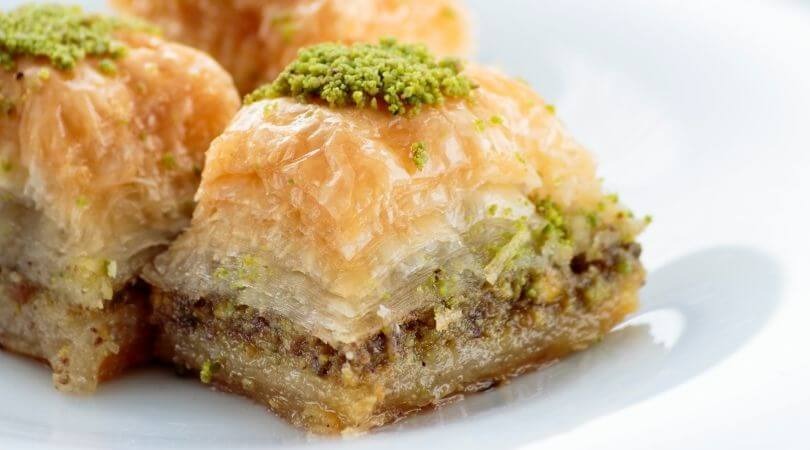
Baklava is probably the most famous Turkish dessert in the world. It is prepared with many layers of very thin pastry, butter, nuts and sweet syrup. Pistachios and walnuts are the most common fillings. Some varieties may also contain hazelnuts, almonds, cream or milk-based syrup. A well-prepared baklava should have a crisp surface and a soft, rich filling. Baklava has a long history connected with the food cultures of Anatolia, the Middle East and the former Ottoman lands. Ottoman palace kitchens helped develop many of the versions that are known today. Gaziantep is especially famous for pistachio baklava. In Istanbul, fresh baklava can be found in traditional pastry shops in Karaköy, Eminönü, Sultanahmet and other central neighbourhoods. Baklava is commonly served with Turkish tea or strong Turkish coffee. A small portion is usually enough because it is rich and sweet.
Want to Taste More of Istanbul?
Go beyond Turkish desserts and experience local flavours, street foods and neighbourhood favourites with a guided food tour.
See the Street Food Tour →
2. Tavuk Göğsü
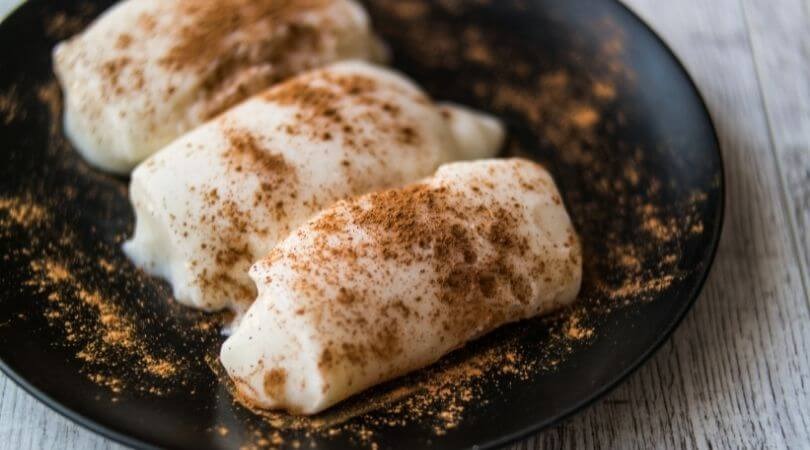
Tavuk göğsü means “chicken breast” in Turkish. The name is not symbolic. Traditional versions of this milk pudding contain finely shredded chicken breast. The chicken is boiled, carefully cleaned and separated into very thin fibres. It is then mixed with milk, sugar, rice flour or starch. The chicken does not give the pudding a strong meat flavour. Instead, it creates a smooth and slightly elastic texture.
Tavuk göğsü is usually served cold with cinnamon on top. It was once associated with Ottoman palace cuisine but can now be found in traditional Turkish pudding shops called muhallebici. Vegetarian visitors should be careful when ordering it. Muhallebi is a similar milk pudding that does not normally contain chicken.
3. Fırın Sütlaç
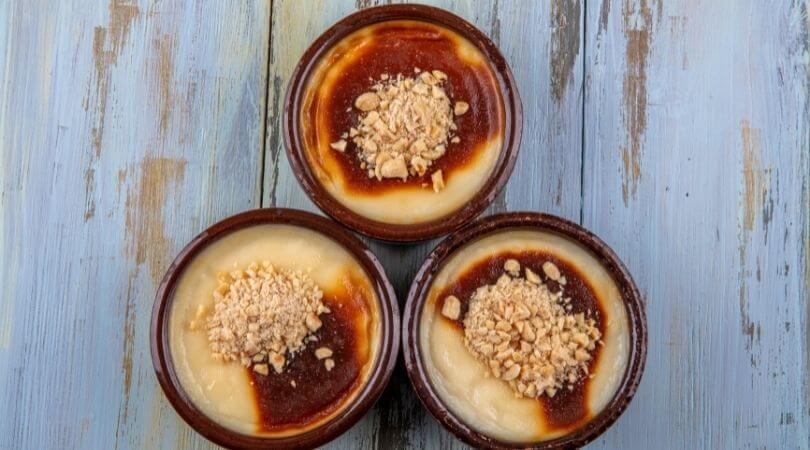
Fırın sütlaç is the Turkish version of oven-baked rice pudding. It is made with rice, milk, sugar and usually a small amount of rice flour or starch. After the pudding is cooked, it is placed in small bowls and baked until a dark layer forms on top. This caramelised surface gives fırın sütlaç its special flavour.
It is normally served cold, although some people also enjoy it slightly warm. Cinnamon, crushed hazelnuts or pistachios may be added before serving. Fırın sütlaç is a good choice for visitors who find baklava or tulumba too sweet. When choosing a bowl from a dessert display, look for one with a well-browned top. The darker surface usually has a stronger caramel flavour.
4. Künefe
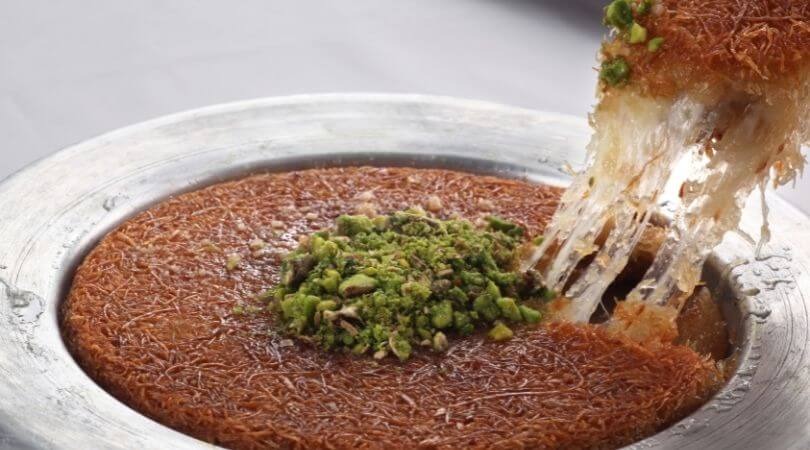
Künefe is a hot Turkish dessert made with thin strands of dough called tel kadayıf. A layer of mild, unsalted cheese is placed between the dough before it is cooked with butter. Once both sides become crisp and golden, sweet syrup is poured over the dessert. It is normally finished with ground pistachios and served immediately.
The contrast makes künefe different from many other Turkish desserts. The outside is crisp, while the cheese in the middle is warm, soft and stretchy. Künefe is closely associated with Hatay and other cities in southern Turkey. It is widely available in Istanbul, especially in restaurants serving food from Hatay, Gaziantep or southeastern Turkey. Künefe should be eaten hot. It is also better to share one portion because it can be quite filling after a full meal.
5. Lokum – Turkish Delight
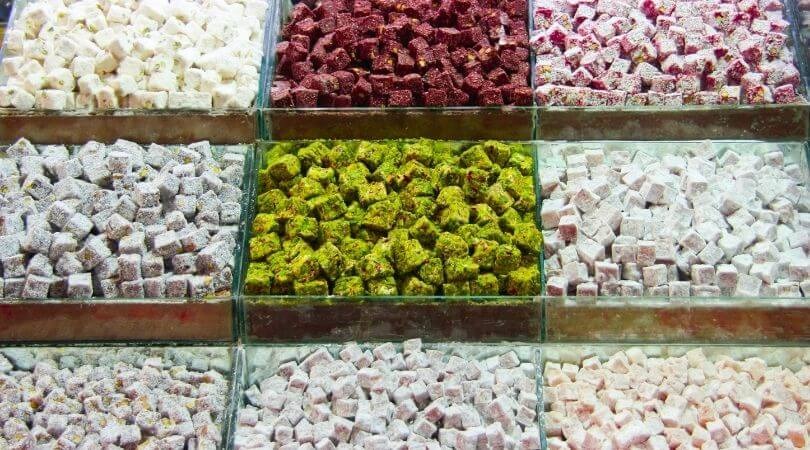
Lokum is known around the world as Turkish delight. It is a soft and chewy Turkish sweet traditionally made with sugar and starch. Classic flavours include rose, lemon, orange and mastic. Modern varieties may contain pistachios, hazelnuts, walnuts, pomegranate, coconut or chocolate.
Lokum is often served beside Turkish coffee. Its sweetness balances the strong and slightly bitter taste of the coffee. It is also one of the easiest Turkish sweets to take home. Boxes of lokum can be found in confectionery shops, the Grand Bazaar, the Spice Bazaar and many souvenir stores. For better quality, look for fresh pieces with a soft but firm texture. Very hard, dry or excessively powdered lokum may have been stored for too long.
6. Kazandibi
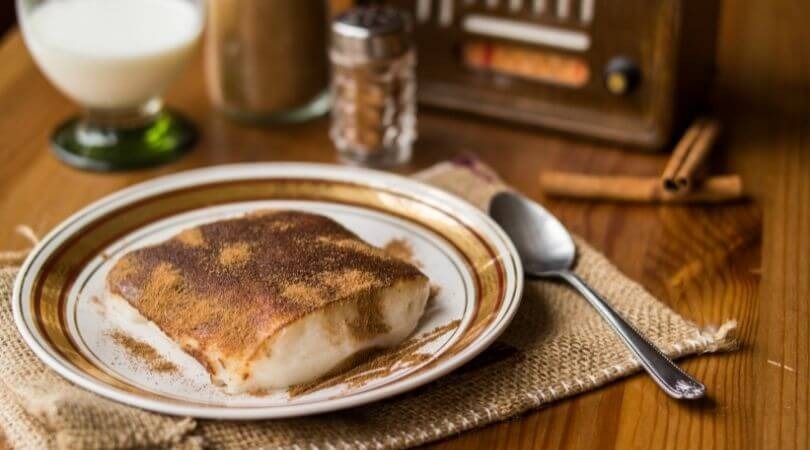
Kazandibi is a caramelised Turkish milk pudding. Its name means “the bottom of the cauldron” and refers to the dark layer formed during cooking. The pudding is prepared with milk, sugar, starch and rice flour. Traditional versions may be connected with tavuk göğsü, while many modern recipes use a meat-free milk pudding base. The bottom of the pan is intentionally caramelised. After cooling, the pudding is cut and served with the dark side visible on top.
Kazandibi has a soft, creamy centre and a slightly smoky caramel flavour. It is usually served cold and may be topped with cinnamon. It is one of the best Turkish desserts for visitors who prefer milk-based sweets instead of syrup-soaked pastry.
7. Turkish Tulumba
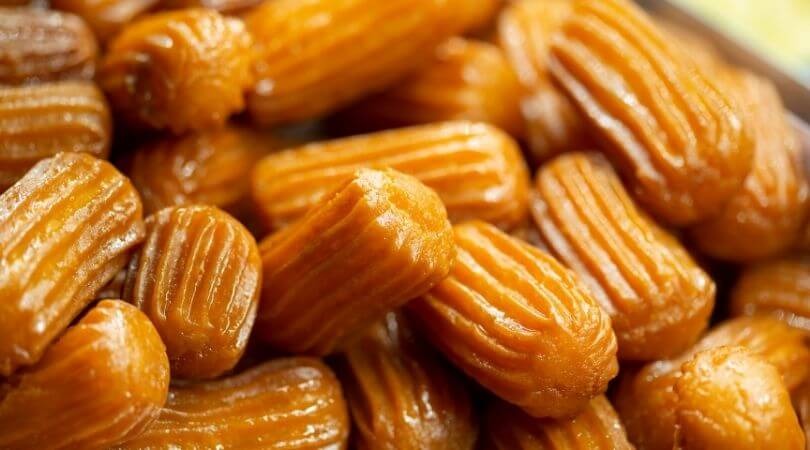
Tulumba is a popular fried dessert found in pastry shops, restaurants and street food stalls across Turkey. The dough is placed into a piping bag with a star-shaped nozzle. Small ridged pieces are then fried until crisp and soaked in lemon-scented sugar syrup.
A good tulumba should be crunchy on the outside and juicy inside. It is generally sweeter than sütlaç or kazandibi. Tulumba is similar to lokma and halka tatlısı. The main difference is usually the shape. Tulumba is short and ridged, lokma is round, and halka tatlısı is formed into a ring. Because it is rich, visitors may prefer to share a portion or order only a few pieces.
8. Pişmaniye
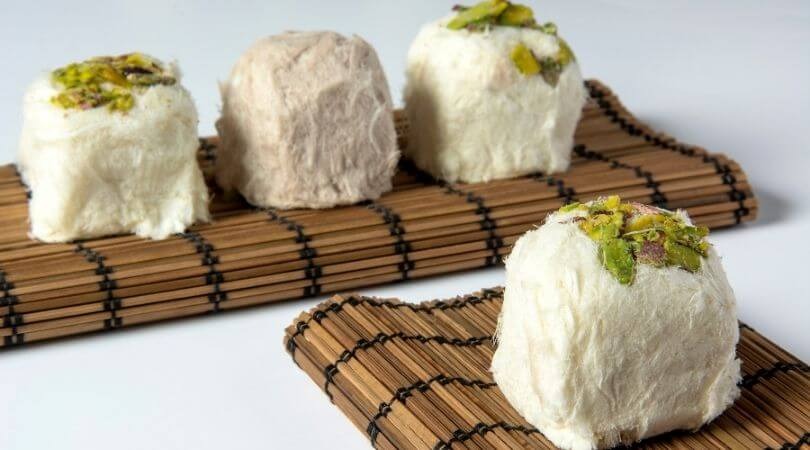
Pişmaniye is a traditional Turkish sweet strongly associated with İzmit and the wider Kocaeli region. It is made by combining roasted flour, butter and pulled sugar. The mixture is worked into many fine threads. Pişmaniye may look like cotton candy, but its texture and flavour are different. It is denser, softer and has a noticeable buttery taste.
Plain pişmaniye is the traditional choice. Other versions may be covered with cocoa, pistachios or chocolate. It is commonly sold in boxes, so it is easy to carry during a trip. However, the thin strands can be delicate and messy to eat. Open the package carefully and keep it away from moisture.
9. Aşure – Noah’s Pudding
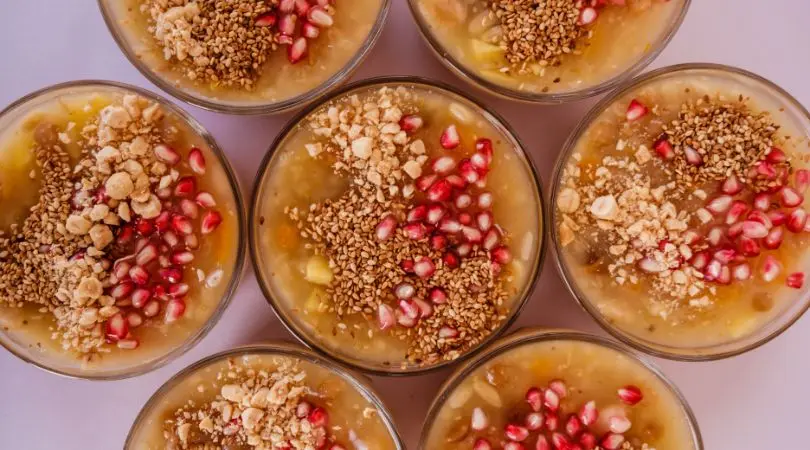
Aşure is one of the most meaningful desserts in Turkish culture. It is traditionally connected with the story of Noah and is often called Noah’s pudding in English. There is no single recipe. Most versions contain wheat, chickpeas, beans, dried apricots, raisins, figs and sugar. The pudding may be decorated with walnuts, hazelnuts, cinnamon, pomegranate seeds or other dried fruits.
Aşure is especially prepared during Muharram, the first month of the Islamic calendar. Families often make a large amount and share it with neighbours, relatives and friends. For this reason, aşure represents sharing, abundance and community as much as it represents dessert. Many recipes are suitable for vegans, but ingredients can vary. Visitors with allergies should ask about wheat and nuts before ordering.
10. Zerde
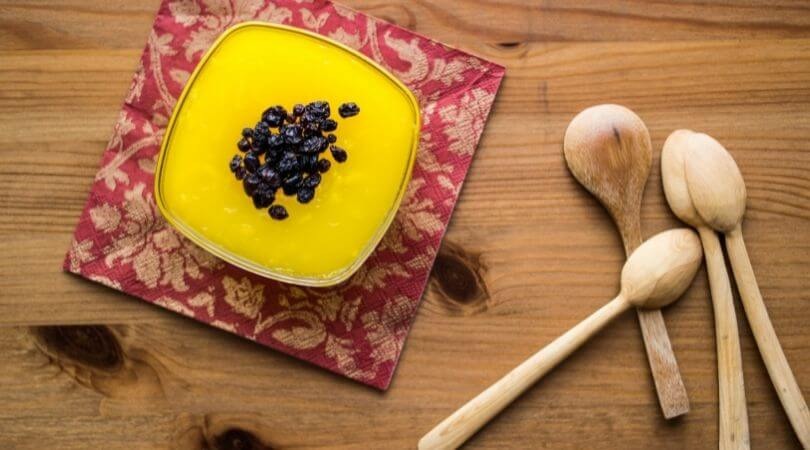
Zerde is a bright yellow rice dessert flavoured with saffron. Unlike many Turkish puddings, it is normally made without milk. Its main ingredients are rice, water, sugar, starch and saffron. Some recipes use turmeric to create a stronger yellow colour.
Zerde is traditionally connected with weddings, births, religious celebrations and other important occasions. It was also prepared in Ottoman palace kitchens for special events. The dessert is usually served cold and decorated with pistachios, pine nuts, raisins or pomegranate seeds. Its texture is lighter than sütlaç, while the saffron gives it a distinctive aroma. Zerde is not available in every dessert shop, so it is worth trying when you see it on a traditional menu.
11. Cezerye
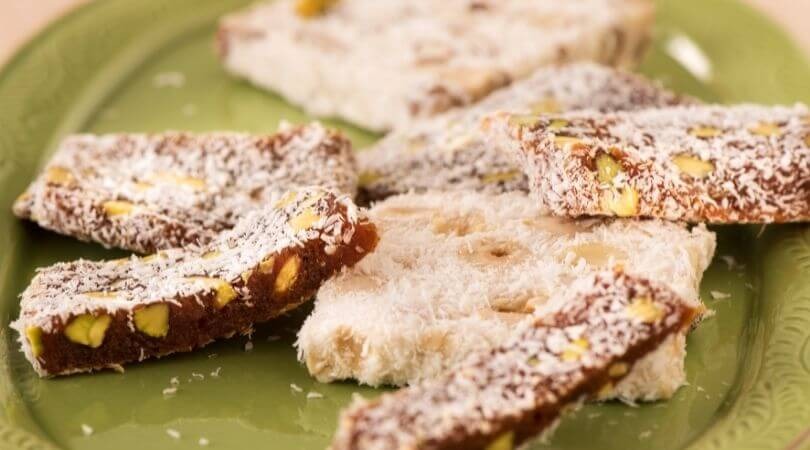
Cezerye is a chewy Turkish sweet made mainly with carrots, sugar and nuts. It is particularly associated with Mersin in southern Turkey. The carrots are cooked until soft and combined with sugar to create a thick mixture. Walnuts, hazelnuts or pistachios are then added.
After cooling, cezerye is cut into small pieces and often covered with shredded coconut. Its texture is somewhere between fruit paste, Turkish delight and a soft confection. The carrot flavour is mild, while cinnamon and nuts provide most of the aroma. Cezerye travels well and can be kept longer than fresh milk desserts. It is therefore a practical gift or snack for a journey.
12. Güllaç
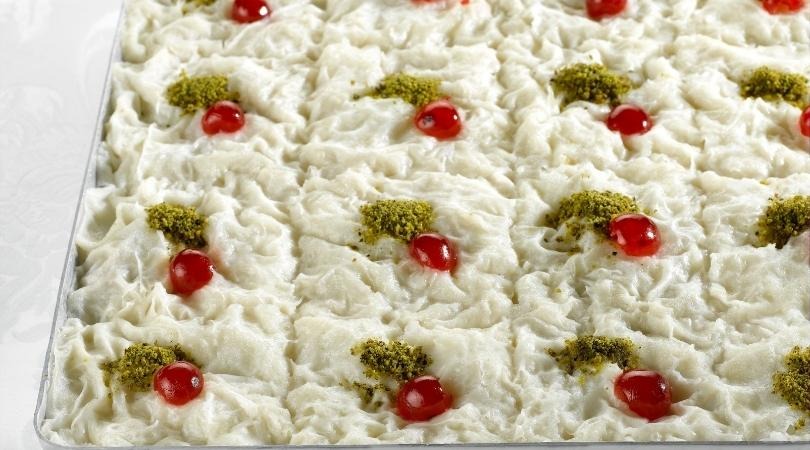
Güllaç is one of the most popular Turkish desserts during Ramadan. It is made with very thin starch wafers soaked in sweetened milk. Walnuts, hazelnuts or pistachios may be placed between the layers. The top is often decorated with pomegranate seeds and ground nuts.
Güllaç has a soft, light and moist texture. It is much gentler than heavy syrup-based desserts, which makes it a popular choice after a day of fasting. Rosewater may be added, but not every modern recipe uses it. Although güllaç is strongly connected with Ramadan, some traditional dessert shops may offer it at other times. It should always be served fresh and cold.
13. Katmer
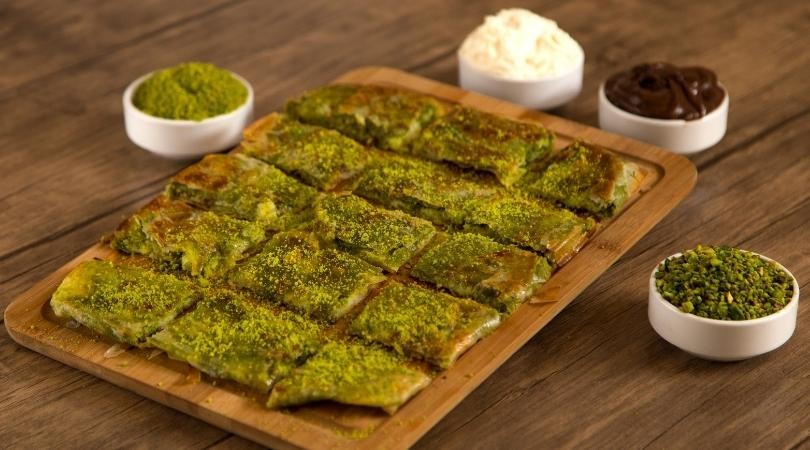
Katmer is a thin and crisp Turkish pastry associated with Gaziantep. The dough is rolled until almost transparent. It is then filled with pistachios, sugar and kaymak, a rich Turkish clotted cream. The pastry is folded and cooked until the surface becomes crisp.
Katmer is sweet, buttery and full of pistachio flavour. Although it is a dessert, people in Gaziantep also eat it for breakfast. It is best served freshly cooked while the pastry is still crisp and the filling is warm. Katmer can be quite rich, so one portion is usually enough for two people. It pairs well with unsweetened Turkish tea.
Planning the Rest of Your Istanbul Trip?
Explore Istanbul's museums, palaces, Bosphorus experiences and other top attractions while planning your days in the city.
See Istanbul Attractions →
14. Ayva Tatlısı – Quince Dessert
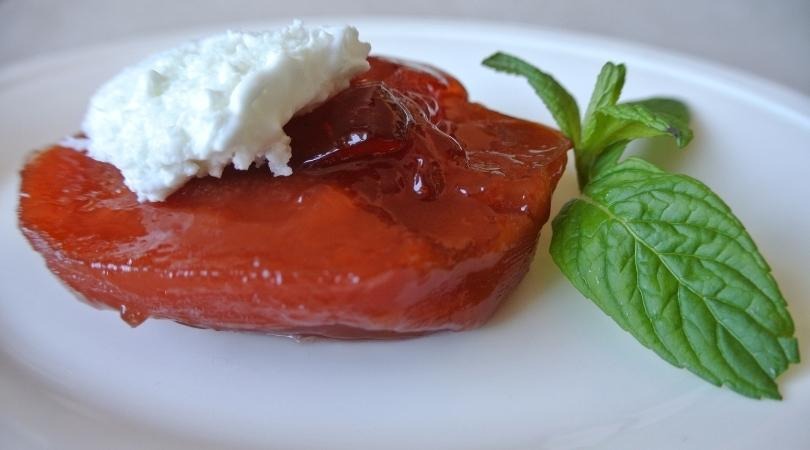
Ayva tatlısı is a traditional Turkish fruit dessert made with quince. It is most common during autumn and winter, when fresh quince is in season. The fruit is cut in half, cleaned and slowly cooked with sugar, water and spices such as cinnamon and cloves. During cooking, the quince becomes soft and develops a pink or deep red colour. It is normally served cold or at room temperature.
Kaymak is often placed on top to balance the fruit’s sweetness. Walnuts or pistachios may also be added. Ayva tatlısı is a good alternative for visitors who want a fruit-based dessert rather than pastry or pudding.
15. Cevizli Sucuk – Walnut Sausage
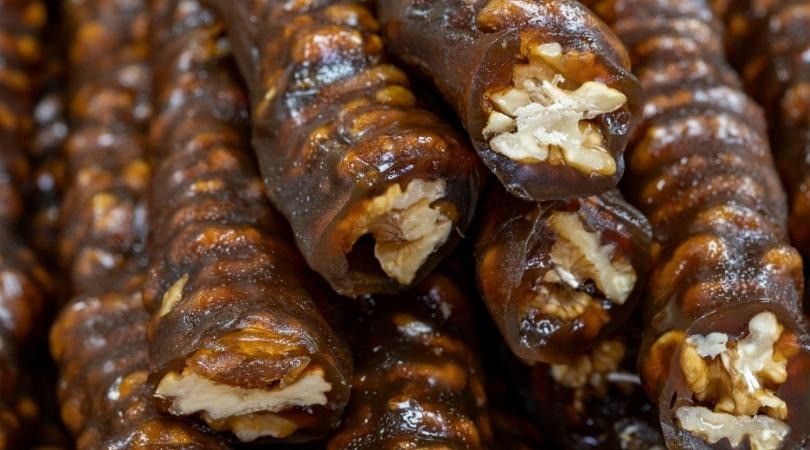
Despite its name, cevizli sucuk does not contain meat. It is called walnut sausage because of its long shape. Walnuts are placed on a string and repeatedly dipped into a thick mixture made with grape molasses and flour or starch. After the coating becomes thick enough, it is left to dry.
The finished sweet is sliced into round pieces. It has a chewy texture, a rich grape flavour and a crunchy walnut centre. Cevizli sucuk is also known by regional names such as köme. It is especially common in areas where grapes and walnuts are produced. Because it is dry and easy to carry, it makes a good travel snack or edible gift. It is usually enjoyed with Turkish tea or coffee.
Other Turkish Sweets Worth Trying
Turkey has many more desserts beyond this list. Look for these traditional options when you see them:
- Revani: A soft semolina cake soaked in lemon-flavoured syrup.
- Lokma: Small fried dough balls covered in sweet syrup.
- Helva: A traditional sweet available in tahini, semolina and flour-based varieties.
- Maraş dondurması: Thick and stretchy Turkish ice cream traditionally made with salep.
- Keşkül: A smooth milk pudding traditionally flavoured with almonds.
- Kabak tatlısı: Sweet pumpkin commonly served with walnuts, tahini or kaymak.
- Ekmek kadayıfı: A rich syrup-soaked bread dessert usually served with kaymak.
Turkish Desserts for Different Preferences
Turkish Desserts That Are Not Too Sweet
Try fırın sütlaç, güllaç, kazandibi or keşkül. These milk-based desserts usually have a lighter taste than baklava, tulumba and künefe.
Best Turkish Sweets to Take Home
Lokum, pişmaniye, cezerye and cevizli sucuk are among the easiest options to carry. Dry baklava can also travel for a short period when it is packed correctly.
Turkish Desserts for Vegetarians
Most Turkish desserts are vegetarian, but traditional tavuk göğsü contains chicken. Always ask about the ingredients when ordering unfamiliar puddings.
Turkish Desserts for Vegan Visitors
Some versions of aşure, cezerye and cevizli sucuk may be vegan. Recipes can vary, so check whether butter, milk, honey or other animal-based ingredients have been used.
Information for Visitors with Nut Allergies
Many Turkish sweets contain pistachios, walnuts, hazelnuts or almonds. Even desserts without visible nuts may be prepared in the same kitchen. Always confirm the ingredients before ordering.
Where Can You Try Turkish Desserts in Istanbul?
Traditional Turkish desserts are easy to find across Istanbul. Different types of sweets are usually sold in different places. Traditional baklava shops are good places to try baklava, şöbiyet and kadayıf. Pudding shops, known as muhallebici, normally serve sütlaç, kazandibi, tavuk göğsü and keşkül. Lokum, pişmaniye, cezerye and cevizli sucuk are widely available in confectionery shops and bazaars. Künefe and katmer are usually prepared to order in restaurants or specialist dessert shops.
Popular areas for finding traditional Turkish sweets include:
- Karaköy
- Eminönü
- Sultanahmet
- Taksim and Istiklal Street
- Kadıköy
- The Grand Bazaar
- The Spice Bazaar
Freshness is especially important for baklava, künefe and milk puddings. Busy shops with a regular flow of local customers usually replace their products more often. You can also discover more local flavours in our guide to Turkish street foods in Istanbul or join the Istanbul Street Food Night Tour.
The Final Word
Turkish desserts offer much more than baklava and Turkish delight. They include hot cheese-filled pastries, creamy milk puddings, fruit desserts and sweets connected with religious or family traditions. During your trip, try more than one type. Start with baklava, order a hot künefe to share and choose sütlaç or güllaç when you want something lighter. A box of lokum or pişmaniye can also help you continue enjoying Turkish sweets after your journey.